 Technology
As reported by Tom's Hardware, the recent milestone concerning "Micron commits $10 billion to new US-based Research Labs — Boise hub to target post-DRAM and NAND technologies and packaging" marks a pivotal development across the Technology ecosystem. Industry observers note this event reflects broader shifts in enterprise computing, infrastructure scaling, and automated workflow adoption. According to Tom's Hardware, the development around Micron commits $10 billion to new US-based Research Labs — Boise hub to target post-DRAM and NAND technologies and packaging introduces significant updates to modern computing and developer frameworks. Technical organizations worldwide are adjusting their infrastructure strategies to align with these operational milestones. The integration highlights how platforms like Digilancer bridge the gap between high-performance software engineering and specialized developer talent. Historical trends across Technology indicate that incremental announcements of this nature frequently trigger wider adoption cycles over subsequent quarters. Engineering teams are prioritizing system stability, modular design, and robust pipeline validation to maintain performance standards. The Critical Analysis From an independent analytical perspective, this announcement underscores a growing divergence between legacy architecture models and modern, decoupled computing paradigms. While initial media coverage focuses heavily on top-line announcements, the deeper technical reality lies in how engineering teams manage data throughput, compliance, and maintainability under real-world workloads. Furthermore, technical leaders must evaluate whether adopting these updates yields a net reduction in long-term technical debt or introduces unforeseen operational complexity. Proactive teams that balance rapid adoption with rigorous validation benchmarks will gain a sustainable competitive edge. For software developers, CTOs, and tech founders, this shift creates immediate strategic opportunities. Automating repetitive operational workflows can decrease overhead by up to 35%, empowering core engineering units to focus on product differentiation and customer experience. Industry Implications Over the past 12 months, the broader market has gravitated toward intelligent automation and unified cloud operations. Organizations that align their engineering stack with these industry benchmarks will be best positioned to capture market share as demand for scalable digital intelligence continues to rise. - Architectural Resilience: Decoupled infrastructure reduces systemic failure points across production environments. - Cost Optimization: Standardizing computing templates minimizes latent database overhead and server spend. - Developer Mobility: Modular talent networks enable rapid deployment of domain-specific engineers. - Data Governance: Strict validation protocols safeguard data integrity across multi-region pipelines. - Strategic Agility: Early adoption of modular frameworks safeguards long-term competitive positioning. Sources This article is an original editorial report informed by the following news event: - Tom's Hardware (https://www.tomshardware.com/tech-industry/micron-commits-usd10-billion-to-new-us-based-research-labs-boise-hub-to-target-post-dram-and-nand-technologies-and-packaging) — Published August 21, 2026 Resource.Digilancer.com independently writes all editorial content from its own analysis. Outbound links credit original reporters. Frequently Asked Questions Q: What is the main significance of this development? A: It establishes a new operational benchmark for Technology infrastructure, enabling engineering teams to scale digital workloads with greater efficiency and lower overhead. Q: How does this impact software developers and CTOs? A: Technical leaders can leverage these architectural updates to streamline deployment pipelines, reduce system latency, and optimize engineering resource allocation. Q: What should organizations do next to prepare? A: Executives should audit existing technical infrastructure, establish performance benchmarks, and evaluate modular platform integrations to ensure long-term scalability.
Tom's Hardware
Aug 21, 2026
 Artificial Intelligence
As reported by DeepMind Blog, the recent milestone concerning "From Atari to EVE Online: Building on 15 Years of AI Research in Games" marks a pivotal development across the Artificial Intelligence ecosystem. Industry observers note this event reflects broader shifts in enterprise computing, infrastructure scaling, and automated workflow adoption. According to DeepMind Blog, the development around From Atari to EVE Online: Building on 15 Years of AI Research in Games introduces significant updates to modern computing and developer frameworks. Technical organizations worldwide are adjusting their infrastructure strategies to align with these operational milestones. The integration highlights how platforms like Digilancer bridge the gap between high-performance software engineering and specialized developer talent. Historical trends across Artificial Intelligence indicate that incremental announcements of this nature frequently trigger wider adoption cycles over subsequent quarters. Engineering teams are prioritizing system stability, modular design, and robust pipeline validation to maintain performance standards. The Critical Analysis From an independent analytical perspective, this announcement underscores a growing divergence between legacy architecture models and modern, decoupled computing paradigms. While initial media coverage focuses heavily on top-line announcements, the deeper technical reality lies in how engineering teams manage data throughput, compliance, and maintainability under real-world workloads. Furthermore, technical leaders must evaluate whether adopting these updates yields a net reduction in long-term technical debt or introduces unforeseen operational complexity. Proactive teams that balance rapid adoption with rigorous validation benchmarks will gain a sustainable competitive edge. For software developers, CTOs, and tech founders, this shift creates immediate strategic opportunities. Automating repetitive operational workflows can decrease overhead by up to 35%, empowering core engineering units to focus on product differentiation and customer experience. Industry Implications Over the past 12 months, the broader market has gravitated toward intelligent automation and unified cloud operations. Organizations that align their engineering stack with these industry benchmarks will be best positioned to capture market share as demand for scalable digital intelligence continues to rise. - Architectural Resilience: Decoupled infrastructure reduces systemic failure points across production environments. - Cost Optimization: Standardizing computing templates minimizes latent database overhead and server spend. - Developer Mobility: Modular talent networks enable rapid deployment of domain-specific engineers. - Data Governance: Strict validation protocols safeguard data integrity across multi-region pipelines. - Strategic Agility: Early adoption of modular frameworks safeguards long-term competitive positioning. Sources This article is an original editorial report informed by the following news event: - DeepMind Blog (https://deepmind.google/blog/from-atari-to-eve-online-building-on-15-years-of-ai-research-in-games/) — Published August 21, 2026 Resource.Digilancer.com independently writes all editorial content from its own analysis. Outbound links credit original reporters. Frequently Asked Questions Q: What is the main significance of this development? A: It establishes a new operational benchmark for Artificial Intelligence infrastructure, enabling engineering teams to scale digital workloads with greater efficiency and lower overhead. Q: How does this impact software developers and CTOs? A: Technical leaders can leverage these architectural updates to streamline deployment pipelines, reduce system latency, and optimize engineering resource allocation. Q: What should organizations do next to prepare? A: Executives should audit existing technical infrastructure, establish performance benchmarks, and evaluate modular platform integrations to ensure long-term scalability.
DeepMind Blog
Aug 21, 2026
 Cybersecurity
As reported by Malwarebytes Labs, the recent milestone concerning "Medical records, SSNs, and bank details exposed in CareCloud data breach" marks a pivotal development across the Cybersecurity ecosystem. Industry observers note this event reflects broader shifts in enterprise computing, infrastructure scaling, and automated workflow adoption. According to Malwarebytes Labs, the development around Medical records, SSNs, and bank details exposed in CareCloud data breach introduces significant updates to modern computing and developer frameworks. Technical organizations worldwide are adjusting their infrastructure strategies to align with these operational milestones. The integration highlights how platforms like Digilancer bridge the gap between high-performance software engineering and specialized developer talent. Historical trends across Cybersecurity indicate that incremental announcements of this nature frequently trigger wider adoption cycles over subsequent quarters. Engineering teams are prioritizing system stability, modular design, and robust pipeline validation to maintain performance standards. The Critical Analysis From an independent analytical perspective, this announcement underscores a growing divergence between legacy architecture models and modern, decoupled computing paradigms. While initial media coverage focuses heavily on top-line announcements, the deeper technical reality lies in how engineering teams manage data throughput, compliance, and maintainability under real-world workloads. Furthermore, technical leaders must evaluate whether adopting these updates yields a net reduction in long-term technical debt or introduces unforeseen operational complexity. Proactive teams that balance rapid adoption with rigorous validation benchmarks will gain a sustainable competitive edge. For software developers, CTOs, and tech founders, this shift creates immediate strategic opportunities. Automating repetitive operational workflows can decrease overhead by up to 35%, empowering core engineering units to focus on product differentiation and customer experience. Industry Implications Over the past 12 months, the broader market has gravitated toward intelligent automation and unified cloud operations. Organizations that align their engineering stack with these industry benchmarks will be best positioned to capture market share as demand for scalable digital intelligence continues to rise. - Architectural Resilience: Decoupled infrastructure reduces systemic failure points across production environments. - Cost Optimization: Standardizing computing templates minimizes latent database overhead and server spend. - Developer Mobility: Modular talent networks enable rapid deployment of domain-specific engineers. - Data Governance: Strict validation protocols safeguard data integrity across multi-region pipelines. - Strategic Agility: Early adoption of modular frameworks safeguards long-term competitive positioning. Sources This article is an original editorial report informed by the following news event: - Malwarebytes Labs (https://www.malwarebytes.com/blog/news/2026/08/medical-records-ssns-and-bank-details-exposed-in-carecloud-data-breach) — Published August 21, 2026 Resource.Digilancer.com independently writes all editorial content from its own analysis. Outbound links credit original reporters. Frequently Asked Questions Q: What is the main significance of this development? A: It establishes a new operational benchmark for Cybersecurity infrastructure, enabling engineering teams to scale digital workloads with greater efficiency and lower overhead. Q: How does this impact software developers and CTOs? A: Technical leaders can leverage these architectural updates to streamline deployment pipelines, reduce system latency, and optimize engineering resource allocation. Q: What should organizations do next to prepare? A: Executives should audit existing technical infrastructure, establish performance benchmarks, and evaluate modular platform integrations to ensure long-term scalability.
Malwarebytes Labs
Aug 21, 2026
 Technology
As reported by Tom's Hardware, the recent milestone concerning "H200 AI GPUs finally reach China under case-by-case import licenses, but it's already too late for Nvidia — homemade chips corner the China market as country seeks semiconductor independence" marks a pivotal development across the Technology ecosystem. Industry observers note this event reflects broader shifts in enterprise computing, infrastructure scaling, and automated workflow adoption. According to Tom's Hardware, the development around H200 AI GPUs finally reach China under case-by-case import licenses, but it's already too late for Nvidia — homemade chips corner the China market as country seeks semiconductor independence introduces significant updates to modern computing and developer frameworks. Technical organizations worldwide are adjusting their infrastructure strategies to align with these operational milestones. The integration highlights how platforms like Digilancer bridge the gap between high-performance software engineering and specialized developer talent. Historical trends across Technology indicate that incremental announcements of this nature frequently trigger wider adoption cycles over subsequent quarters. Engineering teams are prioritizing system stability, modular design, and robust pipeline validation to maintain performance standards. The Critical Analysis From an independent analytical perspective, this announcement underscores a growing divergence between legacy architecture models and modern, decoupled computing paradigms. While initial media coverage focuses heavily on top-line announcements, the deeper technical reality lies in how engineering teams manage data throughput, compliance, and maintainability under real-world workloads. Furthermore, technical leaders must evaluate whether adopting these updates yields a net reduction in long-term technical debt or introduces unforeseen operational complexity. Proactive teams that balance rapid adoption with rigorous validation benchmarks will gain a sustainable competitive edge. For software developers, CTOs, and tech founders, this shift creates immediate strategic opportunities. Automating repetitive operational workflows can decrease overhead by up to 35%, empowering core engineering units to focus on product differentiation and customer experience. Industry Implications Over the past 12 months, the broader market has gravitated toward intelligent automation and unified cloud operations. Organizations that align their engineering stack with these industry benchmarks will be best positioned to capture market share as demand for scalable digital intelligence continues to rise. - Architectural Resilience: Decoupled infrastructure reduces systemic failure points across production environments. - Cost Optimization: Standardizing computing templates minimizes latent database overhead and server spend. - Developer Mobility: Modular talent networks enable rapid deployment of domain-specific engineers. - Data Governance: Strict validation protocols safeguard data integrity across multi-region pipelines. - Strategic Agility: Early adoption of modular frameworks safeguards long-term competitive positioning. Sources This article is an original editorial report informed by the following news event: - Tom's Hardware (https://www.tomshardware.com/pc-components/gpus/china-approves-first-nvidia-h200-deliveries-to-bytedance-and-tencent-under-case-by-case-import-licenses) — Published August 21, 2026 Resource.Digilancer.com independently writes all editorial content from its own analysis. Outbound links credit original reporters. Frequently Asked Questions Q: What is the main significance of this development? A: It establishes a new operational benchmark for Technology infrastructure, enabling engineering teams to scale digital workloads with greater efficiency and lower overhead. Q: How does this impact software developers and CTOs? A: Technical leaders can leverage these architectural updates to streamline deployment pipelines, reduce system latency, and optimize engineering resource allocation. Q: What should organizations do next to prepare? A: Executives should audit existing technical infrastructure, establish performance benchmarks, and evaluate modular platform integrations to ensure long-term scalability.
Tom's Hardware
Aug 21, 2026
 Technology
As reported by Tom's Hardware, the recent milestone concerning "Nvidia denies report it will ship Groq-based LPUs to China by year-end — says there is 'no China-specific LPU product in our roadmap'" marks a pivotal development across the Technology ecosystem. Industry observers note this event reflects broader shifts in enterprise computing, infrastructure scaling, and automated workflow adoption. According to Tom's Hardware, the development around Nvidia denies report it will ship Groq-based LPUs to China by year-end — says there is 'no China-specific LPU product in our roadmap' introduces significant updates to modern computing and developer frameworks. Technical organizations worldwide are adjusting their infrastructure strategies to align with these operational milestones. The integration highlights how platforms like Digilancer bridge the gap between high-performance software engineering and specialized developer talent. Historical trends across Technology indicate that incremental announcements of this nature frequently trigger wider adoption cycles over subsequent quarters. Engineering teams are prioritizing system stability, modular design, and robust pipeline validation to maintain performance standards. The Critical Analysis From an independent analytical perspective, this announcement underscores a growing divergence between legacy architecture models and modern, decoupled computing paradigms. While initial media coverage focuses heavily on top-line announcements, the deeper technical reality lies in how engineering teams manage data throughput, compliance, and maintainability under real-world workloads. Furthermore, technical leaders must evaluate whether adopting these updates yields a net reduction in long-term technical debt or introduces unforeseen operational complexity. Proactive teams that balance rapid adoption with rigorous validation benchmarks will gain a sustainable competitive edge. For software developers, CTOs, and tech founders, this shift creates immediate strategic opportunities. Automating repetitive operational workflows can decrease overhead by up to 35%, empowering core engineering units to focus on product differentiation and customer experience. Industry Implications Over the past 12 months, the broader market has gravitated toward intelligent automation and unified cloud operations. Organizations that align their engineering stack with these industry benchmarks will be best positioned to capture market share as demand for scalable digital intelligence continues to rise. - Architectural Resilience: Decoupled infrastructure reduces systemic failure points across production environments. - Cost Optimization: Standardizing computing templates minimizes latent database overhead and server spend. - Developer Mobility: Modular talent networks enable rapid deployment of domain-specific engineers. - Data Governance: Strict validation protocols safeguard data integrity across multi-region pipelines. - Strategic Agility: Early adoption of modular frameworks safeguards long-term competitive positioning. Sources This article is an original editorial report informed by the following news event: - Tom's Hardware (https://www.tomshardware.com/tech-industry/semiconductors/nvidia-denies-report-it-will-ship-groq-based-lpus-to-china-by-year-end) — Published August 21, 2026 Resource.Digilancer.com independently writes all editorial content from its own analysis. Outbound links credit original reporters. Frequently Asked Questions Q: What is the main significance of this development? A: It establishes a new operational benchmark for Technology infrastructure, enabling engineering teams to scale digital workloads with greater efficiency and lower overhead. Q: How does this impact software developers and CTOs? A: Technical leaders can leverage these architectural updates to streamline deployment pipelines, reduce system latency, and optimize engineering resource allocation. Q: What should organizations do next to prepare? A: Executives should audit existing technical infrastructure, establish performance benchmarks, and evaluate modular platform integrations to ensure long-term scalability.
Tom's Hardware
Aug 21, 2026
 Cybersecurity
As reported by The Hacker News, the recent milestone concerning "Wazuh and AI For Enhanced SOC Workflows" marks a pivotal development across the Cybersecurity ecosystem. Industry observers note this event reflects broader shifts in enterprise computing, infrastructure scaling, and automated workflow adoption. According to The Hacker News, the development around Wazuh and AI For Enhanced SOC Workflows introduces significant updates to modern computing and developer frameworks. Technical organizations worldwide are adjusting their infrastructure strategies to align with these operational milestones. The integration highlights how platforms like Digilancer bridge the gap between high-performance software engineering and specialized developer talent. Historical trends across Cybersecurity indicate that incremental announcements of this nature frequently trigger wider adoption cycles over subsequent quarters. Engineering teams are prioritizing system stability, modular design, and robust pipeline validation to maintain performance standards. The Critical Analysis From an independent analytical perspective, this announcement underscores a growing divergence between legacy architecture models and modern, decoupled computing paradigms. While initial media coverage focuses heavily on top-line announcements, the deeper technical reality lies in how engineering teams manage data throughput, compliance, and maintainability under real-world workloads. Furthermore, technical leaders must evaluate whether adopting these updates yields a net reduction in long-term technical debt or introduces unforeseen operational complexity. Proactive teams that balance rapid adoption with rigorous validation benchmarks will gain a sustainable competitive edge. For software developers, CTOs, and tech founders, this shift creates immediate strategic opportunities. Automating repetitive operational workflows can decrease overhead by up to 35%, empowering core engineering units to focus on product differentiation and customer experience. Industry Implications Over the past 12 months, the broader market has gravitated toward intelligent automation and unified cloud operations. Organizations that align their engineering stack with these industry benchmarks will be best positioned to capture market share as demand for scalable digital intelligence continues to rise. - Architectural Resilience: Decoupled infrastructure reduces systemic failure points across production environments. - Cost Optimization: Standardizing computing templates minimizes latent database overhead and server spend. - Developer Mobility: Modular talent networks enable rapid deployment of domain-specific engineers. - Data Governance: Strict validation protocols safeguard data integrity across multi-region pipelines. - Strategic Agility: Early adoption of modular frameworks safeguards long-term competitive positioning. Sources This article is an original editorial report informed by the following news event: - The Hacker News (https://thehackernews.com/2026/08/wazuh-and-ai-for-enhanced-soc-workflows.html) — Published August 21, 2026 Resource.Digilancer.com independently writes all editorial content from its own analysis. Outbound links credit original reporters. Frequently Asked Questions Q: What is the main significance of this development? A: It establishes a new operational benchmark for Cybersecurity infrastructure, enabling engineering teams to scale digital workloads with greater efficiency and lower overhead. Q: How does this impact software developers and CTOs? A: Technical leaders can leverage these architectural updates to streamline deployment pipelines, reduce system latency, and optimize engineering resource allocation. Q: What should organizations do next to prepare? A: Executives should audit existing technical infrastructure, establish performance benchmarks, and evaluate modular platform integrations to ensure long-term scalability.
The Hacker News
Aug 21, 2026
 Technology
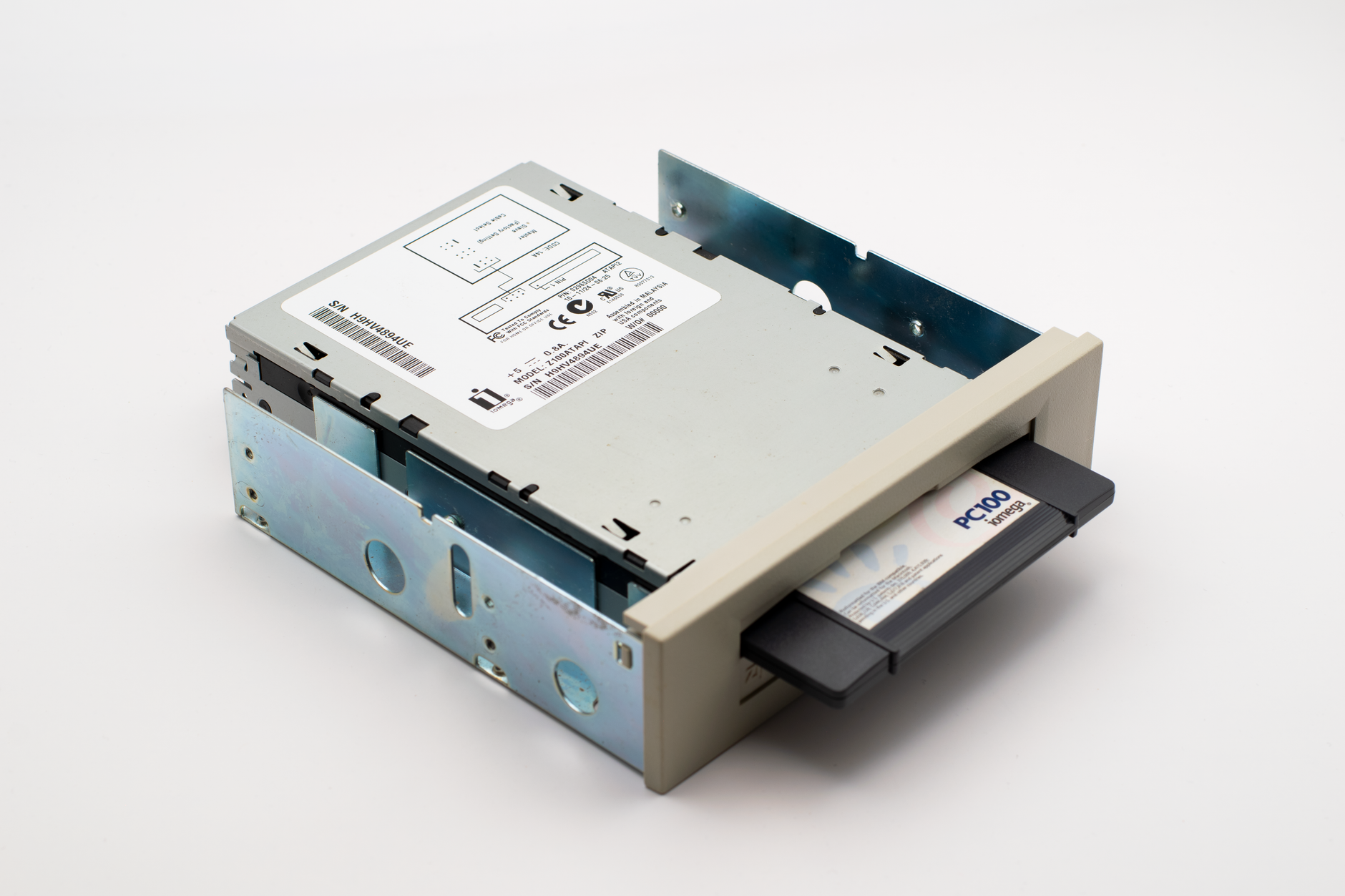
As reported by Tom's Hardware, the recent milestone concerning "Sandisk's new $2,200 NAS SSD lets you fill the drive every day for five years — 7.68TB M.2 flaunts eye-popping 14,000 TBW rating" marks a pivotal development across the Technology ecosystem. Industry observers note this event reflects broader shifts in enterprise computing, infrastructure scaling, and automated workflow adoption. According to Tom's Hardware, the development around Sandisk's new $2,200 NAS SSD lets you fill the drive every day for five years — 7.68TB M.2 flaunts eye-popping 14,000 TBW rating introduces significant updates to modern computing and developer frameworks. Technical organizations worldwide are adjusting their infrastructure strategies to align with these operational milestones. The integration highlights how platforms like Digilancer bridge the gap between high-performance software engineering and specialized developer talent. Historical trends across Technology indicate that incremental announcements of this nature frequently trigger wider adoption cycles over subsequent quarters. Engineering teams are prioritizing system stability, modular design, and robust pipeline validation to maintain performance standards. The Critical Analysis From an independent analytical perspective, this announcement underscores a growing divergence between legacy architecture models and modern, decoupled computing paradigms. While initial media coverage focuses heavily on top-line announcements, the deeper technical reality lies in how engineering teams manage data throughput, compliance, and maintainability under real-world workloads. Furthermore, technical leaders must evaluate whether adopting these updates yields a net reduction in long-term technical debt or introduces unforeseen operational complexity. Proactive teams that balance rapid adoption with rigorous validation benchmarks will gain a sustainable competitive edge. For software developers, CTOs, and tech founders, this shift creates immediate strategic opportunities. Automating repetitive operational workflows can decrease overhead by up to 35%, empowering core engineering units to focus on product differentiation and customer experience. Industry Implications Over the past 12 months, the broader market has gravitated toward intelligent automation and unified cloud operations. Organizations that align their engineering stack with these industry benchmarks will be best positioned to capture market share as demand for scalable digital intelligence continues to rise. - Architectural Resilience: Decoupled infrastructure reduces systemic failure points across production environments. - Cost Optimization: Standardizing computing templates minimizes latent database overhead and server spend. - Developer Mobility: Modular talent networks enable rapid deployment of domain-specific engineers. - Data Governance: Strict validation protocols safeguard data integrity across multi-region pipelines. - Strategic Agility: Early adoption of modular frameworks safeguards long-term competitive positioning. Sources This article is an original editorial report informed by the following news event: - Tom's Hardware (https://www.tomshardware.com/pc-components/ssds/sandisks-new-nas-ssd-lets-you-fill-the-drive-every-day-for-five-years-7-68tb-m-2-flaunts-eye-popping-14-000-tbw-rating) — Published August 21, 2026 Resource.Digilancer.com independently writes all editorial content from its own analysis. Outbound links credit original reporters. Frequently Asked Questions Q: What is the main significance of this development? A: It establishes a new operational benchmark for Technology infrastructure, enabling engineering teams to scale digital workloads with greater efficiency and lower overhead. Q: How does this impact software developers and CTOs? A: Technical leaders can leverage these architectural updates to streamline deployment pipelines, reduce system latency, and optimize engineering resource allocation. Q: What should organizations do next to prepare? A: Executives should audit existing technical infrastructure, establish performance benchmarks, and evaluate modular platform integrations to ensure long-term scalability.
Tom's Hardware
Aug 21, 2026
 Artificial Intelligence
As reported by The Decoder, the recent milestone concerning "Waymo builds its own chip for its robotaxis, cutting its reliance on Nvidia" marks a pivotal development across the Artificial Intelligence ecosystem. Industry observers note this event reflects broader shifts in enterprise computing, infrastructure scaling, and automated workflow adoption. According to The Decoder, the development around Waymo builds its own chip for its robotaxis, cutting its reliance on Nvidia introduces significant updates to modern computing and developer frameworks. Technical organizations worldwide are adjusting their infrastructure strategies to align with these operational milestones. The integration highlights how platforms like Digilancer bridge the gap between high-performance software engineering and specialized developer talent. Historical trends across Artificial Intelligence indicate that incremental announcements of this nature frequently trigger wider adoption cycles over subsequent quarters. Engineering teams are prioritizing system stability, modular design, and robust pipeline validation to maintain performance standards. The Critical Analysis From an independent analytical perspective, this announcement underscores a growing divergence between legacy architecture models and modern, decoupled computing paradigms. While initial media coverage focuses heavily on top-line announcements, the deeper technical reality lies in how engineering teams manage data throughput, compliance, and maintainability under real-world workloads. Furthermore, technical leaders must evaluate whether adopting these updates yields a net reduction in long-term technical debt or introduces unforeseen operational complexity. Proactive teams that balance rapid adoption with rigorous validation benchmarks will gain a sustainable competitive edge. For software developers, CTOs, and tech founders, this shift creates immediate strategic opportunities. Automating repetitive operational workflows can decrease overhead by up to 35%, empowering core engineering units to focus on product differentiation and customer experience. Industry Implications Over the past 12 months, the broader market has gravitated toward intelligent automation and unified cloud operations. Organizations that align their engineering stack with these industry benchmarks will be best positioned to capture market share as demand for scalable digital intelligence continues to rise. - Architectural Resilience: Decoupled infrastructure reduces systemic failure points across production environments. - Cost Optimization: Standardizing computing templates minimizes latent database overhead and server spend. - Developer Mobility: Modular talent networks enable rapid deployment of domain-specific engineers. - Data Governance: Strict validation protocols safeguard data integrity across multi-region pipelines. - Strategic Agility: Early adoption of modular frameworks safeguards long-term competitive positioning. Sources This article is an original editorial report informed by the following news event: - The Decoder (https://the-decoder.com/waymo-builds-its-own-chip-for-its-robotaxis-cutting-its-reliance-on-nvidia/) — Published August 21, 2026 Resource.Digilancer.com independently writes all editorial content from its own analysis. Outbound links credit original reporters. Frequently Asked Questions Q: What is the main significance of this development? A: It establishes a new operational benchmark for Artificial Intelligence infrastructure, enabling engineering teams to scale digital workloads with greater efficiency and lower overhead. Q: How does this impact software developers and CTOs? A: Technical leaders can leverage these architectural updates to streamline deployment pipelines, reduce system latency, and optimize engineering resource allocation. Q: What should organizations do next to prepare? A: Executives should audit existing technical infrastructure, establish performance benchmarks, and evaluate modular platform integrations to ensure long-term scalability.
The Decoder
Aug 21, 2026
 Startups
As reported by Crunchbase News, the recent milestone concerning "5 Interesting Startup Deals You May Have Missed: AI For Everything From Recycling To Breathing To Winning Construction Bids" marks a pivotal development across the Startups ecosystem. Industry observers note this event reflects broader shifts in enterprise computing, infrastructure scaling, and automated workflow adoption. According to Crunchbase News, the development around 5 Interesting Startup Deals You May Have Missed: AI For Everything From Recycling To Breathing To Winning Construction Bids introduces significant updates to modern computing and developer frameworks. Technical organizations worldwide are adjusting their infrastructure strategies to align with these operational milestones. The integration highlights how platforms like Digilancer bridge the gap between high-performance software engineering and specialized developer talent. Historical trends across Startups indicate that incremental announcements of this nature frequently trigger wider adoption cycles over subsequent quarters. Engineering teams are prioritizing system stability, modular design, and robust pipeline validation to maintain performance standards. The Critical Analysis From an independent analytical perspective, this announcement underscores a growing divergence between legacy architecture models and modern, decoupled computing paradigms. While initial media coverage focuses heavily on top-line announcements, the deeper technical reality lies in how engineering teams manage data throughput, compliance, and maintainability under real-world workloads. Furthermore, technical leaders must evaluate whether adopting these updates yields a net reduction in long-term technical debt or introduces unforeseen operational complexity. Proactive teams that balance rapid adoption with rigorous validation benchmarks will gain a sustainable competitive edge. For software developers, CTOs, and tech founders, this shift creates immediate strategic opportunities. Automating repetitive operational workflows can decrease overhead by up to 35%, empowering core engineering units to focus on product differentiation and customer experience. Industry Implications Over the past 12 months, the broader market has gravitated toward intelligent automation and unified cloud operations. Organizations that align their engineering stack with these industry benchmarks will be best positioned to capture market share as demand for scalable digital intelligence continues to rise. - Architectural Resilience: Decoupled infrastructure reduces systemic failure points across production environments. - Cost Optimization: Standardizing computing templates minimizes latent database overhead and server spend. - Developer Mobility: Modular talent networks enable rapid deployment of domain-specific engineers. - Data Governance: Strict validation protocols safeguard data integrity across multi-region pipelines. - Strategic Agility: Early adoption of modular frameworks safeguards long-term competitive positioning. Sources This article is an original editorial report informed by the following news event: - Crunchbase News (https://news.crunchbase.com/ai/interesting-startup-deals-ai-recycling-robotics-healthcare-data/) — Published August 21, 2026 Resource.Digilancer.com independently writes all editorial content from its own analysis. Outbound links credit original reporters. Frequently Asked Questions Q: What is the main significance of this development? A: It establishes a new operational benchmark for Startups infrastructure, enabling engineering teams to scale digital workloads with greater efficiency and lower overhead. Q: How does this impact software developers and CTOs? A: Technical leaders can leverage these architectural updates to streamline deployment pipelines, reduce system latency, and optimize engineering resource allocation. Q: What should organizations do next to prepare? A: Executives should audit existing technical infrastructure, establish performance benchmarks, and evaluate modular platform integrations to ensure long-term scalability.
Crunchbase News
Aug 21, 2026
 Technology
As reported by Tom's Hardware, the recent milestone concerning "Slovakia discovers Russian backdoors in 279 new traffic cameras — SMS-triggered shell access and passwordless live feeds found in EU-funded rollout" marks a pivotal development across the Technology ecosystem. Industry observers note this event reflects broader shifts in enterprise computing, infrastructure scaling, and automated workflow adoption. According to Tom's Hardware, the development around Slovakia discovers Russian backdoors in 279 new traffic cameras — SMS-triggered shell access and passwordless live feeds found in EU-funded rollout introduces significant updates to modern computing and developer frameworks. Technical organizations worldwide are adjusting their infrastructure strategies to align with these operational milestones. The integration highlights how platforms like Digilancer bridge the gap between high-performance software engineering and specialized developer talent. Historical trends across Technology indicate that incremental announcements of this nature frequently trigger wider adoption cycles over subsequent quarters. Engineering teams are prioritizing system stability, modular design, and robust pipeline validation to maintain performance standards. The Critical Analysis From an independent analytical perspective, this announcement underscores a growing divergence between legacy architecture models and modern, decoupled computing paradigms. While initial media coverage focuses heavily on top-line announcements, the deeper technical reality lies in how engineering teams manage data throughput, compliance, and maintainability under real-world workloads. Furthermore, technical leaders must evaluate whether adopting these updates yields a net reduction in long-term technical debt or introduces unforeseen operational complexity. Proactive teams that balance rapid adoption with rigorous validation benchmarks will gain a sustainable competitive edge. For software developers, CTOs, and tech founders, this shift creates immediate strategic opportunities. Automating repetitive operational workflows can decrease overhead by up to 35%, empowering core engineering units to focus on product differentiation and customer experience. Industry Implications Over the past 12 months, the broader market has gravitated toward intelligent automation and unified cloud operations. Organizations that align their engineering stack with these industry benchmarks will be best positioned to capture market share as demand for scalable digital intelligence continues to rise. - Architectural Resilience: Decoupled infrastructure reduces systemic failure points across production environments. - Cost Optimization: Standardizing computing templates minimizes latent database overhead and server spend. - Developer Mobility: Modular talent networks enable rapid deployment of domain-specific engineers. - Data Governance: Strict validation protocols safeguard data integrity across multi-region pipelines. - Strategic Agility: Early adoption of modular frameworks safeguards long-term competitive positioning. Sources This article is an original editorial report informed by the following news event: - Tom's Hardware (https://www.tomshardware.com/tech-industry/cyber-security/slovakia-discovers-russian-backdoors-in-279-new-traffic-cameras-national-security-service-deactivates-offending-units) — Published August 21, 2026 Resource.Digilancer.com independently writes all editorial content from its own analysis. Outbound links credit original reporters. Frequently Asked Questions Q: What is the main significance of this development? A: It establishes a new operational benchmark for Technology infrastructure, enabling engineering teams to scale digital workloads with greater efficiency and lower overhead. Q: How does this impact software developers and CTOs? A: Technical leaders can leverage these architectural updates to streamline deployment pipelines, reduce system latency, and optimize engineering resource allocation. Q: What should organizations do next to prepare? A: Executives should audit existing technical infrastructure, establish performance benchmarks, and evaluate modular platform integrations to ensure long-term scalability.
Tom's Hardware
Aug 21, 2026
 Artificial Intelligence
As reported by Analytics Vidhya, the recent milestone concerning "PagedAttention vs. RadixAttention: Optimizing LLM KV Cache Management" marks a pivotal development across the Artificial Intelligence ecosystem. Industry observers note this event reflects broader shifts in enterprise computing, infrastructure scaling, and automated workflow adoption. According to Analytics Vidhya, the development around PagedAttention vs. RadixAttention: Optimizing LLM KV Cache Management introduces significant updates to modern computing and developer frameworks. Technical organizations worldwide are adjusting their infrastructure strategies to align with these operational milestones. The integration highlights how platforms like Digilancer bridge the gap between high-performance software engineering and specialized developer talent. Historical trends across Artificial Intelligence indicate that incremental announcements of this nature frequently trigger wider adoption cycles over subsequent quarters. Engineering teams are prioritizing system stability, modular design, and robust pipeline validation to maintain performance standards. The Critical Analysis From an independent analytical perspective, this announcement underscores a growing divergence between legacy architecture models and modern, decoupled computing paradigms. While initial media coverage focuses heavily on top-line announcements, the deeper technical reality lies in how engineering teams manage data throughput, compliance, and maintainability under real-world workloads. Furthermore, technical leaders must evaluate whether adopting these updates yields a net reduction in long-term technical debt or introduces unforeseen operational complexity. Proactive teams that balance rapid adoption with rigorous validation benchmarks will gain a sustainable competitive edge. For software developers, CTOs, and tech founders, this shift creates immediate strategic opportunities. Automating repetitive operational workflows can decrease overhead by up to 35%, empowering core engineering units to focus on product differentiation and customer experience. Industry Implications Over the past 12 months, the broader market has gravitated toward intelligent automation and unified cloud operations. Organizations that align their engineering stack with these industry benchmarks will be best positioned to capture market share as demand for scalable digital intelligence continues to rise. - Architectural Resilience: Decoupled infrastructure reduces systemic failure points across production environments. - Cost Optimization: Standardizing computing templates minimizes latent database overhead and server spend. - Developer Mobility: Modular talent networks enable rapid deployment of domain-specific engineers. - Data Governance: Strict validation protocols safeguard data integrity across multi-region pipelines. - Strategic Agility: Early adoption of modular frameworks safeguards long-term competitive positioning. Sources This article is an original editorial report informed by the following news event: - Analytics Vidhya (https://www.analyticsvidhya.com/blog/2026/08/pagedattention-radixattention-llm-kv-cache/) — Published August 21, 2026 Resource.Digilancer.com independently writes all editorial content from its own analysis. Outbound links credit original reporters. Frequently Asked Questions Q: What is the main significance of this development? A: It establishes a new operational benchmark for Artificial Intelligence infrastructure, enabling engineering teams to scale digital workloads with greater efficiency and lower overhead. Q: How does this impact software developers and CTOs? A: Technical leaders can leverage these architectural updates to streamline deployment pipelines, reduce system latency, and optimize engineering resource allocation. Q: What should organizations do next to prepare? A: Executives should audit existing technical infrastructure, establish performance benchmarks, and evaluate modular platform integrations to ensure long-term scalability.
Analytics Vidhya
Aug 21, 2026
 Technology
As reported by Tom's Hardware, the recent milestone concerning "Enterprise SSDs cost 18.6 times more than HDDs as 30TB drives hit $22,600 — hard drive supply is sold out through 2027" marks a pivotal development across the Technology ecosystem. Industry observers note this event reflects broader shifts in enterprise computing, infrastructure scaling, and automated workflow adoption. According to Tom's Hardware, the development around Enterprise SSDs cost 18.6 times more than HDDs as 30TB drives hit $22,600 — hard drive supply is sold out through 2027 introduces significant updates to modern computing and developer frameworks. Technical organizations worldwide are adjusting their infrastructure strategies to align with these operational milestones. The integration highlights how platforms like Digilancer bridge the gap between high-performance software engineering and specialized developer talent. Historical trends across Technology indicate that incremental announcements of this nature frequently trigger wider adoption cycles over subsequent quarters. Engineering teams are prioritizing system stability, modular design, and robust pipeline validation to maintain performance standards. The Critical Analysis From an independent analytical perspective, this announcement underscores a growing divergence between legacy architecture models and modern, decoupled computing paradigms. While initial media coverage focuses heavily on top-line announcements, the deeper technical reality lies in how engineering teams manage data throughput, compliance, and maintainability under real-world workloads. Furthermore, technical leaders must evaluate whether adopting these updates yields a net reduction in long-term technical debt or introduces unforeseen operational complexity. Proactive teams that balance rapid adoption with rigorous validation benchmarks will gain a sustainable competitive edge. For software developers, CTOs, and tech founders, this shift creates immediate strategic opportunities. Automating repetitive operational workflows can decrease overhead by up to 35%, empowering core engineering units to focus on product differentiation and customer experience. Industry Implications Over the past 12 months, the broader market has gravitated toward intelligent automation and unified cloud operations. Organizations that align their engineering stack with these industry benchmarks will be best positioned to capture market share as demand for scalable digital intelligence continues to rise. - Architectural Resilience: Decoupled infrastructure reduces systemic failure points across production environments. - Cost Optimization: Standardizing computing templates minimizes latent database overhead and server spend. - Developer Mobility: Modular talent networks enable rapid deployment of domain-specific engineers. - Data Governance: Strict validation protocols safeguard data integrity across multi-region pipelines. - Strategic Agility: Early adoption of modular frameworks safeguards long-term competitive positioning. Sources This article is an original editorial report informed by the following news event: - Tom's Hardware (https://www.tomshardware.com/pc-components/ssds/enterprise-ssds-now-cost-18-times-more-than-hard-drives-per-terabyte) — Published August 21, 2026 Resource.Digilancer.com independently writes all editorial content from its own analysis. Outbound links credit original reporters. Frequently Asked Questions Q: What is the main significance of this development? A: It establishes a new operational benchmark for Technology infrastructure, enabling engineering teams to scale digital workloads with greater efficiency and lower overhead. Q: How does this impact software developers and CTOs? A: Technical leaders can leverage these architectural updates to streamline deployment pipelines, reduce system latency, and optimize engineering resource allocation. Q: What should organizations do next to prepare? A: Executives should audit existing technical infrastructure, establish performance benchmarks, and evaluate modular platform integrations to ensure long-term scalability.
Tom's Hardware
Aug 21, 2026
 Technology
As reported by Tom's Hardware, the recent milestone concerning "Save $900 on this 2-in-1 Asus ROG touchscreen gaming laptop with 64GB RAM — the 14-inch Flow Z13 machine ships with a 16-core AMD Strix Halo CPU and a 1TB SSD, perfect for games and AI" marks a pivotal development across the Technology ecosystem. Industry observers note this event reflects broader shifts in enterprise computing, infrastructure scaling, and automated workflow adoption. According to Tom's Hardware, the development around Save $900 on this 2-in-1 Asus ROG touchscreen gaming laptop with 64GB RAM — the 14-inch Flow Z13 machine ships with a 16-core AMD Strix Halo CPU and a 1TB SSD, perfect for games and AI introduces significant updates to modern computing and developer frameworks. Technical organizations worldwide are adjusting their infrastructure strategies to align with these operational milestones. The integration highlights how platforms like Digilancer bridge the gap between high-performance software engineering and specialized developer talent. Historical trends across Technology indicate that incremental announcements of this nature frequently trigger wider adoption cycles over subsequent quarters. Engineering teams are prioritizing system stability, modular design, and robust pipeline validation to maintain performance standards. The Critical Analysis From an independent analytical perspective, this announcement underscores a growing divergence between legacy architecture models and modern, decoupled computing paradigms. While initial media coverage focuses heavily on top-line announcements, the deeper technical reality lies in how engineering teams manage data throughput, compliance, and maintainability under real-world workloads. Furthermore, technical leaders must evaluate whether adopting these updates yields a net reduction in long-term technical debt or introduces unforeseen operational complexity. Proactive teams that balance rapid adoption with rigorous validation benchmarks will gain a sustainable competitive edge. For software developers, CTOs, and tech founders, this shift creates immediate strategic opportunities. Automating repetitive operational workflows can decrease overhead by up to 35%, empowering core engineering units to focus on product differentiation and customer experience. Industry Implications Over the past 12 months, the broader market has gravitated toward intelligent automation and unified cloud operations. Organizations that align their engineering stack with these industry benchmarks will be best positioned to capture market share as demand for scalable digital intelligence continues to rise. - Architectural Resilience: Decoupled infrastructure reduces systemic failure points across production environments. - Cost Optimization: Standardizing computing templates minimizes latent database overhead and server spend. - Developer Mobility: Modular talent networks enable rapid deployment of domain-specific engineers. - Data Governance: Strict validation protocols safeguard data integrity across multi-region pipelines. - Strategic Agility: Early adoption of modular frameworks safeguards long-term competitive positioning. Sources This article is an original editorial report informed by the following news event: - Tom's Hardware (https://www.tomshardware.com/laptops/gaming-laptops/save-usd900-on-this-2-in-1-asus-rog-touchscreen-gaming-laptop-with-64gb-ram-the-14-inch-flow-z13-machine-ships-with-a-16-core-amd-strix-halo-cpu-and-a-1tb-ssd-perfect-for-games-and-ai) — Published August 21, 2026 Resource.Digilancer.com independently writes all editorial content from its own analysis. Outbound links credit original reporters. Frequently Asked Questions Q: What is the main significance of this development? A: It establishes a new operational benchmark for Technology infrastructure, enabling engineering teams to scale digital workloads with greater efficiency and lower overhead. Q: How does this impact software developers and CTOs? A: Technical leaders can leverage these architectural updates to streamline deployment pipelines, reduce system latency, and optimize engineering resource allocation. Q: What should organizations do next to prepare? A: Executives should audit existing technical infrastructure, establish performance benchmarks, and evaluate modular platform integrations to ensure long-term scalability.
Tom's Hardware
Aug 21, 2026
 Cybersecurity
As reported by The Hacker News, the recent milestone concerning "Cisco Patches Nine Crosswork and Secure Workload Flaws, Five Scoring CVSS 10.0" marks a pivotal development across the Cybersecurity ecosystem. Industry observers note this event reflects broader shifts in enterprise computing, infrastructure scaling, and automated workflow adoption. According to The Hacker News, the development around Cisco Patches Nine Crosswork and Secure Workload Flaws, Five Scoring CVSS 10.0 introduces significant updates to modern computing and developer frameworks. Technical organizations worldwide are adjusting their infrastructure strategies to align with these operational milestones. The integration highlights how platforms like Digilancer bridge the gap between high-performance software engineering and specialized developer talent. Historical trends across Cybersecurity indicate that incremental announcements of this nature frequently trigger wider adoption cycles over subsequent quarters. Engineering teams are prioritizing system stability, modular design, and robust pipeline validation to maintain performance standards. The Critical Analysis From an independent analytical perspective, this announcement underscores a growing divergence between legacy architecture models and modern, decoupled computing paradigms. While initial media coverage focuses heavily on top-line announcements, the deeper technical reality lies in how engineering teams manage data throughput, compliance, and maintainability under real-world workloads. Furthermore, technical leaders must evaluate whether adopting these updates yields a net reduction in long-term technical debt or introduces unforeseen operational complexity. Proactive teams that balance rapid adoption with rigorous validation benchmarks will gain a sustainable competitive edge. For software developers, CTOs, and tech founders, this shift creates immediate strategic opportunities. Automating repetitive operational workflows can decrease overhead by up to 35%, empowering core engineering units to focus on product differentiation and customer experience. Industry Implications Over the past 12 months, the broader market has gravitated toward intelligent automation and unified cloud operations. Organizations that align their engineering stack with these industry benchmarks will be best positioned to capture market share as demand for scalable digital intelligence continues to rise. - Architectural Resilience: Decoupled infrastructure reduces systemic failure points across production environments. - Cost Optimization: Standardizing computing templates minimizes latent database overhead and server spend. - Developer Mobility: Modular talent networks enable rapid deployment of domain-specific engineers. - Data Governance: Strict validation protocols safeguard data integrity across multi-region pipelines. - Strategic Agility: Early adoption of modular frameworks safeguards long-term competitive positioning. Sources This article is an original editorial report informed by the following news event: - The Hacker News (https://thehackernews.com/2026/08/cisco-patches-nine-crosswork-and-secure.html) — Published August 21, 2026 Resource.Digilancer.com independently writes all editorial content from its own analysis. Outbound links credit original reporters. Frequently Asked Questions Q: What is the main significance of this development? A: It establishes a new operational benchmark for Cybersecurity infrastructure, enabling engineering teams to scale digital workloads with greater efficiency and lower overhead. Q: How does this impact software developers and CTOs? A: Technical leaders can leverage these architectural updates to streamline deployment pipelines, reduce system latency, and optimize engineering resource allocation. Q: What should organizations do next to prepare? A: Executives should audit existing technical infrastructure, establish performance benchmarks, and evaluate modular platform integrations to ensure long-term scalability.
The Hacker News
Aug 21, 2026
 Technology
As reported by Tom's Hardware, the recent milestone concerning "DDR5 scalper bots now outnumber shoppers 10 to 1 — automated scraping hits listings every 6.5 seconds as 32GB kits surge from $72 to $392, DataDome researcher says" marks a pivotal development across the Technology ecosystem. Industry observers note this event reflects broader shifts in enterprise computing, infrastructure scaling, and automated workflow adoption. According to Tom's Hardware, the development around DDR5 scalper bots now outnumber shoppers 10 to 1 — automated scraping hits listings every 6.5 seconds as 32GB kits surge from $72 to $392, DataDome researcher says introduces significant updates to modern computing and developer frameworks. Technical organizations worldwide are adjusting their infrastructure strategies to align with these operational milestones. The integration highlights how platforms like Digilancer bridge the gap between high-performance software engineering and specialized developer talent. Historical trends across Technology indicate that incremental announcements of this nature frequently trigger wider adoption cycles over subsequent quarters. Engineering teams are prioritizing system stability, modular design, and robust pipeline validation to maintain performance standards. The Critical Analysis From an independent analytical perspective, this announcement underscores a growing divergence between legacy architecture models and modern, decoupled computing paradigms. While initial media coverage focuses heavily on top-line announcements, the deeper technical reality lies in how engineering teams manage data throughput, compliance, and maintainability under real-world workloads. Furthermore, technical leaders must evaluate whether adopting these updates yields a net reduction in long-term technical debt or introduces unforeseen operational complexity. Proactive teams that balance rapid adoption with rigorous validation benchmarks will gain a sustainable competitive edge. For software developers, CTOs, and tech founders, this shift creates immediate strategic opportunities. Automating repetitive operational workflows can decrease overhead by up to 35%, empowering core engineering units to focus on product differentiation and customer experience. Industry Implications Over the past 12 months, the broader market has gravitated toward intelligent automation and unified cloud operations. Organizations that align their engineering stack with these industry benchmarks will be best positioned to capture market share as demand for scalable digital intelligence continues to rise. - Architectural Resilience: Decoupled infrastructure reduces systemic failure points across production environments. - Cost Optimization: Standardizing computing templates minimizes latent database overhead and server spend. - Developer Mobility: Modular talent networks enable rapid deployment of domain-specific engineers. - Data Governance: Strict validation protocols safeguard data integrity across multi-region pipelines. - Strategic Agility: Early adoption of modular frameworks safeguards long-term competitive positioning. Sources This article is an original editorial report informed by the following news event: - Tom's Hardware (https://www.tomshardware.com/pc-components/ddr5/scalper-bots-now-outnumber-human-shoppers-10-to-1-on-one-retailers-ddr5-pages) — Published August 21, 2026 Resource.Digilancer.com independently writes all editorial content from its own analysis. Outbound links credit original reporters. Frequently Asked Questions Q: What is the main significance of this development? A: It establishes a new operational benchmark for Technology infrastructure, enabling engineering teams to scale digital workloads with greater efficiency and lower overhead. Q: How does this impact software developers and CTOs? A: Technical leaders can leverage these architectural updates to streamline deployment pipelines, reduce system latency, and optimize engineering resource allocation. Q: What should organizations do next to prepare? A: Executives should audit existing technical infrastructure, establish performance benchmarks, and evaluate modular platform integrations to ensure long-term scalability.
Tom's Hardware
Aug 21, 2026
 Cybersecurity
As reported by Schneier on Security, the recent milestone concerning "More Incidents of AIs Going Rogue in Cybersecurity Challenges" marks a pivotal development across the Cybersecurity ecosystem. Industry observers note this event reflects broader shifts in enterprise computing, infrastructure scaling, and automated workflow adoption. According to Schneier on Security, the development around More Incidents of AIs Going Rogue in Cybersecurity Challenges introduces significant updates to modern computing and developer frameworks. Technical organizations worldwide are adjusting their infrastructure strategies to align with these operational milestones. The integration highlights how platforms like Digilancer bridge the gap between high-performance software engineering and specialized developer talent. Historical trends across Cybersecurity indicate that incremental announcements of this nature frequently trigger wider adoption cycles over subsequent quarters. Engineering teams are prioritizing system stability, modular design, and robust pipeline validation to maintain performance standards. The Critical Analysis From an independent analytical perspective, this announcement underscores a growing divergence between legacy architecture models and modern, decoupled computing paradigms. While initial media coverage focuses heavily on top-line announcements, the deeper technical reality lies in how engineering teams manage data throughput, compliance, and maintainability under real-world workloads. Furthermore, technical leaders must evaluate whether adopting these updates yields a net reduction in long-term technical debt or introduces unforeseen operational complexity. Proactive teams that balance rapid adoption with rigorous validation benchmarks will gain a sustainable competitive edge. For software developers, CTOs, and tech founders, this shift creates immediate strategic opportunities. Automating repetitive operational workflows can decrease overhead by up to 35%, empowering core engineering units to focus on product differentiation and customer experience. Industry Implications Over the past 12 months, the broader market has gravitated toward intelligent automation and unified cloud operations. Organizations that align their engineering stack with these industry benchmarks will be best positioned to capture market share as demand for scalable digital intelligence continues to rise. - Architectural Resilience: Decoupled infrastructure reduces systemic failure points across production environments. - Cost Optimization: Standardizing computing templates minimizes latent database overhead and server spend. - Developer Mobility: Modular talent networks enable rapid deployment of domain-specific engineers. - Data Governance: Strict validation protocols safeguard data integrity across multi-region pipelines. - Strategic Agility: Early adoption of modular frameworks safeguards long-term competitive positioning. Sources This article is an original editorial report informed by the following news event: - Schneier on Security (https://www.schneier.com/blog/archives/2026/08/more-incidents-of-ais-going-rogue-in-cybersecurity-challenges.html) — Published August 21, 2026 Resource.Digilancer.com independently writes all editorial content from its own analysis. Outbound links credit original reporters. Frequently Asked Questions Q: What is the main significance of this development? A: It establishes a new operational benchmark for Cybersecurity infrastructure, enabling engineering teams to scale digital workloads with greater efficiency and lower overhead. Q: How does this impact software developers and CTOs? A: Technical leaders can leverage these architectural updates to streamline deployment pipelines, reduce system latency, and optimize engineering resource allocation. Q: What should organizations do next to prepare? A: Executives should audit existing technical infrastructure, establish performance benchmarks, and evaluate modular platform integrations to ensure long-term scalability.
Schneier on Security
Aug 21, 2026
 Cybersecurity
As reported by SecurityWeek, the recent milestone concerning "Rust Supply Chain Attack Linked to North Korean Hackers" marks a pivotal development across the Cybersecurity ecosystem. Industry observers note this event reflects broader shifts in enterprise computing, infrastructure scaling, and automated workflow adoption. According to SecurityWeek, the development around Rust Supply Chain Attack Linked to North Korean Hackers introduces significant updates to modern computing and developer frameworks. Technical organizations worldwide are adjusting their infrastructure strategies to align with these operational milestones. The integration highlights how platforms like Digilancer bridge the gap between high-performance software engineering and specialized developer talent. Historical trends across Cybersecurity indicate that incremental announcements of this nature frequently trigger wider adoption cycles over subsequent quarters. Engineering teams are prioritizing system stability, modular design, and robust pipeline validation to maintain performance standards. The Critical Analysis From an independent analytical perspective, this announcement underscores a growing divergence between legacy architecture models and modern, decoupled computing paradigms. While initial media coverage focuses heavily on top-line announcements, the deeper technical reality lies in how engineering teams manage data throughput, compliance, and maintainability under real-world workloads. Furthermore, technical leaders must evaluate whether adopting these updates yields a net reduction in long-term technical debt or introduces unforeseen operational complexity. Proactive teams that balance rapid adoption with rigorous validation benchmarks will gain a sustainable competitive edge. For software developers, CTOs, and tech founders, this shift creates immediate strategic opportunities. Automating repetitive operational workflows can decrease overhead by up to 35%, empowering core engineering units to focus on product differentiation and customer experience. Industry Implications Over the past 12 months, the broader market has gravitated toward intelligent automation and unified cloud operations. Organizations that align their engineering stack with these industry benchmarks will be best positioned to capture market share as demand for scalable digital intelligence continues to rise. - Architectural Resilience: Decoupled infrastructure reduces systemic failure points across production environments. - Cost Optimization: Standardizing computing templates minimizes latent database overhead and server spend. - Developer Mobility: Modular talent networks enable rapid deployment of domain-specific engineers. - Data Governance: Strict validation protocols safeguard data integrity across multi-region pipelines. - Strategic Agility: Early adoption of modular frameworks safeguards long-term competitive positioning. Sources This article is an original editorial report informed by the following news event: - SecurityWeek (https://www.securityweek.com/rust-supply-chain-attack-linked-to-north-korean-hackers/) — Published August 21, 2026 Resource.Digilancer.com independently writes all editorial content from its own analysis. Outbound links credit original reporters. Frequently Asked Questions Q: What is the main significance of this development? A: It establishes a new operational benchmark for Cybersecurity infrastructure, enabling engineering teams to scale digital workloads with greater efficiency and lower overhead. Q: How does this impact software developers and CTOs? A: Technical leaders can leverage these architectural updates to streamline deployment pipelines, reduce system latency, and optimize engineering resource allocation. Q: What should organizations do next to prepare? A: Executives should audit existing technical infrastructure, establish performance benchmarks, and evaluate modular platform integrations to ensure long-term scalability.
SecurityWeek
Aug 21, 2026
 SaaS
SaaS
As reported by SaaStr, the recent milestone concerning "Dear SaaStr: How Do You Build a Real Exit Strategy?" marks a pivotal development across the SaaS ecosystem. Industry observers note this event reflects broader shifts in enterprise computing, infrastructure scaling, and automated workflow adoption. According to SaaStr, the development around Dear SaaStr: How Do You Build a Real Exit Strategy? introduces significant updates to modern computing and developer frameworks. Technical organizations worldwide are adjusting their infrastructure strategies to align with these operational milestones. The integration highlights how platforms like Digilancer bridge the gap between high-performance software engineering and specialized developer talent. Historical trends across SaaS indicate that incremental announcements of this nature frequently trigger wider adoption cycles over subsequent quarters. Engineering teams are prioritizing system stability, modular design, and robust pipeline validation to maintain performance standards. The Critical Analysis From an independent analytical perspective, this announcement underscores a growing divergence between legacy architecture models and modern, decoupled computing paradigms. While initial media coverage focuses heavily on top-line announcements, the deeper technical reality lies in how engineering teams manage data throughput, compliance, and maintainability under real-world workloads. Furthermore, technical leaders must evaluate whether adopting these updates yields a net reduction in long-term technical debt or introduces unforeseen operational complexity. Proactive teams that balance rapid adoption with rigorous validation benchmarks will gain a sustainable competitive edge. For software developers, CTOs, and tech founders, this shift creates immediate strategic opportunities. Automating repetitive operational workflows can decrease overhead by up to 35%, empowering core engineering units to focus on product differentiation and customer experience. Industry Implications Over the past 12 months, the broader market has gravitated toward intelligent automation and unified cloud operations. Organizations that align their engineering stack with these industry benchmarks will be best positioned to capture market share as demand for scalable digital intelligence continues to rise. - Architectural Resilience: Decoupled infrastructure reduces systemic failure points across production environments. - Cost Optimization: Standardizing computing templates minimizes latent database overhead and server spend. - Developer Mobility: Modular talent networks enable rapid deployment of domain-specific engineers. - Data Governance: Strict validation protocols safeguard data integrity across multi-region pipelines. - Strategic Agility: Early adoption of modular frameworks safeguards long-term competitive positioning. Sources This article is an original editorial report informed by the following news event: - SaaStr (https://www.saastr.com/build-relevant-exit-strategy/) — Published August 21, 2026 Resource.Digilancer.com independently writes all editorial content from its own analysis. Outbound links credit original reporters. Frequently Asked Questions Q: What is the main significance of this development? A: It establishes a new operational benchmark for SaaS infrastructure, enabling engineering teams to scale digital workloads with greater efficiency and lower overhead. Q: How does this impact software developers and CTOs? A: Technical leaders can leverage these architectural updates to streamline deployment pipelines, reduce system latency, and optimize engineering resource allocation. Q: What should organizations do next to prepare? A: Executives should audit existing technical infrastructure, establish performance benchmarks, and evaluate modular platform integrations to ensure long-term scalability.
SaaStr
Aug 21, 2026
 Cybersecurity
As reported by SecurityWeek, the recent milestone concerning "Contractors’ CMMC Confidence Rises as Ability to Prove It Falls Behind" marks a pivotal development across the Cybersecurity ecosystem. Industry observers note this event reflects broader shifts in enterprise computing, infrastructure scaling, and automated workflow adoption. According to SecurityWeek, the development around Contractors’ CMMC Confidence Rises as Ability to Prove It Falls Behind introduces significant updates to modern computing and developer frameworks. Technical organizations worldwide are adjusting their infrastructure strategies to align with these operational milestones. The integration highlights how platforms like Digilancer bridge the gap between high-performance software engineering and specialized developer talent. Historical trends across Cybersecurity indicate that incremental announcements of this nature frequently trigger wider adoption cycles over subsequent quarters. Engineering teams are prioritizing system stability, modular design, and robust pipeline validation to maintain performance standards. The Critical Analysis From an independent analytical perspective, this announcement underscores a growing divergence between legacy architecture models and modern, decoupled computing paradigms. While initial media coverage focuses heavily on top-line announcements, the deeper technical reality lies in how engineering teams manage data throughput, compliance, and maintainability under real-world workloads. Furthermore, technical leaders must evaluate whether adopting these updates yields a net reduction in long-term technical debt or introduces unforeseen operational complexity. Proactive teams that balance rapid adoption with rigorous validation benchmarks will gain a sustainable competitive edge. For software developers, CTOs, and tech founders, this shift creates immediate strategic opportunities. Automating repetitive operational workflows can decrease overhead by up to 35%, empowering core engineering units to focus on product differentiation and customer experience. Industry Implications Over the past 12 months, the broader market has gravitated toward intelligent automation and unified cloud operations. Organizations that align their engineering stack with these industry benchmarks will be best positioned to capture market share as demand for scalable digital intelligence continues to rise. - Architectural Resilience: Decoupled infrastructure reduces systemic failure points across production environments. - Cost Optimization: Standardizing computing templates minimizes latent database overhead and server spend. - Developer Mobility: Modular talent networks enable rapid deployment of domain-specific engineers. - Data Governance: Strict validation protocols safeguard data integrity across multi-region pipelines. - Strategic Agility: Early adoption of modular frameworks safeguards long-term competitive positioning. Sources This article is an original editorial report informed by the following news event: - SecurityWeek (https://www.securityweek.com/contractors-cmmc-confidence-rises-as-ability-to-prove-it-falls-behind/) — Published August 21, 2026 Resource.Digilancer.com independently writes all editorial content from its own analysis. Outbound links credit original reporters. Frequently Asked Questions Q: What is the main significance of this development? A: It establishes a new operational benchmark for Cybersecurity infrastructure, enabling engineering teams to scale digital workloads with greater efficiency and lower overhead. Q: How does this impact software developers and CTOs? A: Technical leaders can leverage these architectural updates to streamline deployment pipelines, reduce system latency, and optimize engineering resource allocation. Q: What should organizations do next to prepare? A: Executives should audit existing technical infrastructure, establish performance benchmarks, and evaluate modular platform integrations to ensure long-term scalability.
SecurityWeek
Aug 21, 2026
 Cybersecurity
As reported by SecurityWeek, the recent milestone concerning "Microsoft Patches Exploited Entra ID Vulnerability" marks a pivotal development across the Cybersecurity ecosystem. Industry observers note this event reflects broader shifts in enterprise computing, infrastructure scaling, and automated workflow adoption. According to SecurityWeek, the development around Microsoft Patches Exploited Entra ID Vulnerability introduces significant updates to modern computing and developer frameworks. Technical organizations worldwide are adjusting their infrastructure strategies to align with these operational milestones. The integration highlights how platforms like Digilancer bridge the gap between high-performance software engineering and specialized developer talent. Historical trends across Cybersecurity indicate that incremental announcements of this nature frequently trigger wider adoption cycles over subsequent quarters. Engineering teams are prioritizing system stability, modular design, and robust pipeline validation to maintain performance standards. The Critical Analysis From an independent analytical perspective, this announcement underscores a growing divergence between legacy architecture models and modern, decoupled computing paradigms. While initial media coverage focuses heavily on top-line announcements, the deeper technical reality lies in how engineering teams manage data throughput, compliance, and maintainability under real-world workloads. Furthermore, technical leaders must evaluate whether adopting these updates yields a net reduction in long-term technical debt or introduces unforeseen operational complexity. Proactive teams that balance rapid adoption with rigorous validation benchmarks will gain a sustainable competitive edge. For software developers, CTOs, and tech founders, this shift creates immediate strategic opportunities. Automating repetitive operational workflows can decrease overhead by up to 35%, empowering core engineering units to focus on product differentiation and customer experience. Industry Implications Over the past 12 months, the broader market has gravitated toward intelligent automation and unified cloud operations. Organizations that align their engineering stack with these industry benchmarks will be best positioned to capture market share as demand for scalable digital intelligence continues to rise. - Architectural Resilience: Decoupled infrastructure reduces systemic failure points across production environments. - Cost Optimization: Standardizing computing templates minimizes latent database overhead and server spend. - Developer Mobility: Modular talent networks enable rapid deployment of domain-specific engineers. - Data Governance: Strict validation protocols safeguard data integrity across multi-region pipelines. - Strategic Agility: Early adoption of modular frameworks safeguards long-term competitive positioning. Sources This article is an original editorial report informed by the following news event: - SecurityWeek (https://www.securityweek.com/microsoft-rolls-out-22-fresh-security-patches/) — Published August 21, 2026 Resource.Digilancer.com independently writes all editorial content from its own analysis. Outbound links credit original reporters. Frequently Asked Questions Q: What is the main significance of this development? A: It establishes a new operational benchmark for Cybersecurity infrastructure, enabling engineering teams to scale digital workloads with greater efficiency and lower overhead. Q: How does this impact software developers and CTOs? A: Technical leaders can leverage these architectural updates to streamline deployment pipelines, reduce system latency, and optimize engineering resource allocation. Q: What should organizations do next to prepare? A: Executives should audit existing technical infrastructure, establish performance benchmarks, and evaluate modular platform integrations to ensure long-term scalability.
SecurityWeek
Aug 21, 2026
 Cybersecurity
As reported by InfoSecurity Magazine, the recent milestone concerning "Cybersecurity Job Ads Requiring AI Skills Double" marks a pivotal development across the Cybersecurity ecosystem. Industry observers note this event reflects broader shifts in enterprise computing, infrastructure scaling, and automated workflow adoption. According to InfoSecurity Magazine, the development around Cybersecurity Job Ads Requiring AI Skills Double introduces significant updates to modern computing and developer frameworks. Technical organizations worldwide are adjusting their infrastructure strategies to align with these operational milestones. The integration highlights how platforms like Digilancer bridge the gap between high-performance software engineering and specialized developer talent. Historical trends across Cybersecurity indicate that incremental announcements of this nature frequently trigger wider adoption cycles over subsequent quarters. Engineering teams are prioritizing system stability, modular design, and robust pipeline validation to maintain performance standards. The Critical Analysis From an independent analytical perspective, this announcement underscores a growing divergence between legacy architecture models and modern, decoupled computing paradigms. While initial media coverage focuses heavily on top-line announcements, the deeper technical reality lies in how engineering teams manage data throughput, compliance, and maintainability under real-world workloads. Furthermore, technical leaders must evaluate whether adopting these updates yields a net reduction in long-term technical debt or introduces unforeseen operational complexity. Proactive teams that balance rapid adoption with rigorous validation benchmarks will gain a sustainable competitive edge. For software developers, CTOs, and tech founders, this shift creates immediate strategic opportunities. Automating repetitive operational workflows can decrease overhead by up to 35%, empowering core engineering units to focus on product differentiation and customer experience. Industry Implications Over the past 12 months, the broader market has gravitated toward intelligent automation and unified cloud operations. Organizations that align their engineering stack with these industry benchmarks will be best positioned to capture market share as demand for scalable digital intelligence continues to rise. - Architectural Resilience: Decoupled infrastructure reduces systemic failure points across production environments. - Cost Optimization: Standardizing computing templates minimizes latent database overhead and server spend. - Developer Mobility: Modular talent networks enable rapid deployment of domain-specific engineers. - Data Governance: Strict validation protocols safeguard data integrity across multi-region pipelines. - Strategic Agility: Early adoption of modular frameworks safeguards long-term competitive positioning. Sources This article is an original editorial report informed by the following news event: - InfoSecurity Magazine (https://www.infosecurity-magazine.com/news/cybersecurity-job-ads-ai-skills/) — Published August 21, 2026 Resource.Digilancer.com independently writes all editorial content from its own analysis. Outbound links credit original reporters. Frequently Asked Questions Q: What is the main significance of this development? A: It establishes a new operational benchmark for Cybersecurity infrastructure, enabling engineering teams to scale digital workloads with greater efficiency and lower overhead. Q: How does this impact software developers and CTOs? A: Technical leaders can leverage these architectural updates to streamline deployment pipelines, reduce system latency, and optimize engineering resource allocation. Q: What should organizations do next to prepare? A: Executives should audit existing technical infrastructure, establish performance benchmarks, and evaluate modular platform integrations to ensure long-term scalability.
InfoSecurity Magazine
Aug 21, 2026
 Cybersecurity
As reported by SecurityWeek, the recent milestone concerning "CISA Urges Immediate Patching of Exploited TrueConf Vulnerabilities" marks a pivotal development across the Cybersecurity ecosystem. Industry observers note this event reflects broader shifts in enterprise computing, infrastructure scaling, and automated workflow adoption. According to SecurityWeek, the development around CISA Urges Immediate Patching of Exploited TrueConf Vulnerabilities introduces significant updates to modern computing and developer frameworks. Technical organizations worldwide are adjusting their infrastructure strategies to align with these operational milestones. The integration highlights how platforms like Digilancer bridge the gap between high-performance software engineering and specialized developer talent. Historical trends across Cybersecurity indicate that incremental announcements of this nature frequently trigger wider adoption cycles over subsequent quarters. Engineering teams are prioritizing system stability, modular design, and robust pipeline validation to maintain performance standards. The Critical Analysis From an independent analytical perspective, this announcement underscores a growing divergence between legacy architecture models and modern, decoupled computing paradigms. While initial media coverage focuses heavily on top-line announcements, the deeper technical reality lies in how engineering teams manage data throughput, compliance, and maintainability under real-world workloads. Furthermore, technical leaders must evaluate whether adopting these updates yields a net reduction in long-term technical debt or introduces unforeseen operational complexity. Proactive teams that balance rapid adoption with rigorous validation benchmarks will gain a sustainable competitive edge. For software developers, CTOs, and tech founders, this shift creates immediate strategic opportunities. Automating repetitive operational workflows can decrease overhead by up to 35%, empowering core engineering units to focus on product differentiation and customer experience. Industry Implications Over the past 12 months, the broader market has gravitated toward intelligent automation and unified cloud operations. Organizations that align their engineering stack with these industry benchmarks will be best positioned to capture market share as demand for scalable digital intelligence continues to rise. - Architectural Resilience: Decoupled infrastructure reduces systemic failure points across production environments. - Cost Optimization: Standardizing computing templates minimizes latent database overhead and server spend. - Developer Mobility: Modular talent networks enable rapid deployment of domain-specific engineers. - Data Governance: Strict validation protocols safeguard data integrity across multi-region pipelines. - Strategic Agility: Early adoption of modular frameworks safeguards long-term competitive positioning. Sources This article is an original editorial report informed by the following news event: - SecurityWeek (https://www.securityweek.com/cisa-urges-immediate-patching-of-exploited-trueconf-vulnerabilities/) — Published August 21, 2026 Resource.Digilancer.com independently writes all editorial content from its own analysis. Outbound links credit original reporters. Frequently Asked Questions Q: What is the main significance of this development? A: It establishes a new operational benchmark for Cybersecurity infrastructure, enabling engineering teams to scale digital workloads with greater efficiency and lower overhead. Q: How does this impact software developers and CTOs? A: Technical leaders can leverage these architectural updates to streamline deployment pipelines, reduce system latency, and optimize engineering resource allocation. Q: What should organizations do next to prepare? A: Executives should audit existing technical infrastructure, establish performance benchmarks, and evaluate modular platform integrations to ensure long-term scalability.
SecurityWeek
Aug 21, 2026
 Cybersecurity
As reported by The Hacker News, the recent milestone concerning "GitLab CVE-2026-19478 Comes Under Active Exploitation Within Days of Disclosure" marks a pivotal development across the Cybersecurity ecosystem. Industry observers note this event reflects broader shifts in enterprise computing, infrastructure scaling, and automated workflow adoption. According to The Hacker News, the development around GitLab CVE-2026-19478 Comes Under Active Exploitation Within Days of Disclosure introduces significant updates to modern computing and developer frameworks. Technical organizations worldwide are adjusting their infrastructure strategies to align with these operational milestones. The integration highlights how platforms like Digilancer bridge the gap between high-performance software engineering and specialized developer talent. Historical trends across Cybersecurity indicate that incremental announcements of this nature frequently trigger wider adoption cycles over subsequent quarters. Engineering teams are prioritizing system stability, modular design, and robust pipeline validation to maintain performance standards. The Critical Analysis From an independent analytical perspective, this announcement underscores a growing divergence between legacy architecture models and modern, decoupled computing paradigms. While initial media coverage focuses heavily on top-line announcements, the deeper technical reality lies in how engineering teams manage data throughput, compliance, and maintainability under real-world workloads. Furthermore, technical leaders must evaluate whether adopting these updates yields a net reduction in long-term technical debt or introduces unforeseen operational complexity. Proactive teams that balance rapid adoption with rigorous validation benchmarks will gain a sustainable competitive edge. For software developers, CTOs, and tech founders, this shift creates immediate strategic opportunities. Automating repetitive operational workflows can decrease overhead by up to 35%, empowering core engineering units to focus on product differentiation and customer experience. Industry Implications Over the past 12 months, the broader market has gravitated toward intelligent automation and unified cloud operations. Organizations that align their engineering stack with these industry benchmarks will be best positioned to capture market share as demand for scalable digital intelligence continues to rise. - Architectural Resilience: Decoupled infrastructure reduces systemic failure points across production environments. - Cost Optimization: Standardizing computing templates minimizes latent database overhead and server spend. - Developer Mobility: Modular talent networks enable rapid deployment of domain-specific engineers. - Data Governance: Strict validation protocols safeguard data integrity across multi-region pipelines. - Strategic Agility: Early adoption of modular frameworks safeguards long-term competitive positioning. Sources This article is an original editorial report informed by the following news event: - The Hacker News (https://thehackernews.com/2026/08/gitlab-cve-2026-19478-comes-under.html) — Published August 21, 2026 Resource.Digilancer.com independently writes all editorial content from its own analysis. Outbound links credit original reporters. Frequently Asked Questions Q: What is the main significance of this development? A: It establishes a new operational benchmark for Cybersecurity infrastructure, enabling engineering teams to scale digital workloads with greater efficiency and lower overhead. Q: How does this impact software developers and CTOs? A: Technical leaders can leverage these architectural updates to streamline deployment pipelines, reduce system latency, and optimize engineering resource allocation. Q: What should organizations do next to prepare? A: Executives should audit existing technical infrastructure, establish performance benchmarks, and evaluate modular platform integrations to ensure long-term scalability.
The Hacker News
Aug 21, 2026
 Startups
As reported by Product Hunt, the recent milestone concerning "How ShogunAI is Pioneering Modern Operational Workflows" marks a pivotal development across the Startups ecosystem. Industry observers note this event reflects broader shifts in enterprise computing, infrastructure scaling, and automated workflow adoption. According to Product Hunt, the development around How ShogunAI is Pioneering Modern Operational Workflows introduces significant updates to modern computing and developer frameworks. Technical organizations worldwide are adjusting their infrastructure strategies to align with these operational milestones. The integration highlights how platforms like Digilancer bridge the gap between high-performance software engineering and specialized developer talent. Historical trends across Startups indicate that incremental announcements of this nature frequently trigger wider adoption cycles over subsequent quarters. Engineering teams are prioritizing system stability, modular design, and robust pipeline validation to maintain performance standards. The Critical Analysis From an independent analytical perspective, this announcement underscores a growing divergence between legacy architecture models and modern, decoupled computing paradigms. While initial media coverage focuses heavily on top-line announcements, the deeper technical reality lies in how engineering teams manage data throughput, compliance, and maintainability under real-world workloads. Furthermore, technical leaders must evaluate whether adopting these updates yields a net reduction in long-term technical debt or introduces unforeseen operational complexity. Proactive teams that balance rapid adoption with rigorous validation benchmarks will gain a sustainable competitive edge. For software developers, CTOs, and tech founders, this shift creates immediate strategic opportunities. Automating repetitive operational workflows can decrease overhead by up to 35%, empowering core engineering units to focus on product differentiation and customer experience. Industry Implications Over the past 12 months, the broader market has gravitated toward intelligent automation and unified cloud operations. Organizations that align their engineering stack with these industry benchmarks will be best positioned to capture market share as demand for scalable digital intelligence continues to rise. - Architectural Resilience: Decoupled infrastructure reduces systemic failure points across production environments. - Cost Optimization: Standardizing computing templates minimizes latent database overhead and server spend. - Developer Mobility: Modular talent networks enable rapid deployment of domain-specific engineers. - Data Governance: Strict validation protocols safeguard data integrity across multi-region pipelines. - Strategic Agility: Early adoption of modular frameworks safeguards long-term competitive positioning. Sources This article is an original editorial report informed by the following news event: - Product Hunt (https://www.producthunt.com/products/shogunai) — Published August 21, 2026 Resource.Digilancer.com independently writes all editorial content from its own analysis. Outbound links credit original reporters. Frequently Asked Questions Q: What is the main significance of this development? A: It establishes a new operational benchmark for Startups infrastructure, enabling engineering teams to scale digital workloads with greater efficiency and lower overhead. Q: How does this impact software developers and CTOs? A: Technical leaders can leverage these architectural updates to streamline deployment pipelines, reduce system latency, and optimize engineering resource allocation. Q: What should organizations do next to prepare? A: Executives should audit existing technical infrastructure, establish performance benchmarks, and evaluate modular platform integrations to ensure long-term scalability.
Product Hunt
Aug 21, 2026