 SaaS
SaaS
As reported by Lenny's Newsletter, the recent milestone concerning "The playbook for building high talent density teams | Adam Ward, Head of Talent at Cursor" marks a pivotal development across the SaaS ecosystem. Industry observers note this event reflects broader shifts in enterprise computing, infrastructure scaling, and automated workflow adoption. According to Lenny's Newsletter, the development around The playbook for building high talent density teams | Adam Ward, Head of Talent at Cursor introduces significant updates to modern computing and developer frameworks. Technical organizations worldwide are adjusting their infrastructure strategies to align with these operational milestones. The integration highlights how platforms like Digilancer bridge the gap between high-performance software engineering and specialized developer talent. Historical trends across SaaS indicate that incremental announcements of this nature frequently trigger wider adoption cycles over subsequent quarters. Engineering teams are prioritizing system stability, modular design, and robust pipeline validation to maintain performance standards. The Critical Analysis From an independent analytical perspective, this announcement underscores a growing divergence between legacy architecture models and modern, decoupled computing paradigms. While initial media coverage focuses heavily on top-line announcements, the deeper technical reality lies in how engineering teams manage data throughput, compliance, and maintainability under real-world workloads. Furthermore, technical leaders must evaluate whether adopting these updates yields a net reduction in long-term technical debt or introduces unforeseen operational complexity. Proactive teams that balance rapid adoption with rigorous validation benchmarks will gain a sustainable competitive edge. For software developers, CTOs, and tech founders, this shift creates immediate strategic opportunities. Automating repetitive operational workflows can decrease overhead by up to 35%, empowering core engineering units to focus on product differentiation and customer experience. Industry Implications Over the past 12 months, the broader market has gravitated toward intelligent automation and unified cloud operations. Organizations that align their engineering stack with these industry benchmarks will be best positioned to capture market share as demand for scalable digital intelligence continues to rise. - Architectural Resilience: Decoupled infrastructure reduces systemic failure points across production environments. - Cost Optimization: Standardizing computing templates minimizes latent database overhead and server spend. - Developer Mobility: Modular talent networks enable rapid deployment of domain-specific engineers. - Data Governance: Strict validation protocols safeguard data integrity across multi-region pipelines. - Strategic Agility: Early adoption of modular frameworks safeguards long-term competitive positioning. Sources This article is an original editorial report informed by the following news event: - Lenny's Newsletter (https://www.lennysnewsletter.com/p/the-playbook-for-building-high-talent) — Published August 09, 2026 Resource.Digilancer.com independently writes all editorial content from its own analysis. Outbound links credit original reporters. Frequently Asked Questions Q: What is the main significance of this development? A: It establishes a new operational benchmark for SaaS infrastructure, enabling engineering teams to scale digital workloads with greater efficiency and lower overhead. Q: How does this impact software developers and CTOs? A: Technical leaders can leverage these architectural updates to streamline deployment pipelines, reduce system latency, and optimize engineering resource allocation. Q: What should organizations do next to prepare? A: Executives should audit existing technical infrastructure, establish performance benchmarks, and evaluate modular platform integrations to ensure long-term scalability.
Lenny's Newsletter
Aug 09, 2026
 Technology
As reported by Tom's Hardware, the recent milestone concerning "Kansas town silences public comment on gigawatt AI data center after receiving death threats, moves to virtual meetings — shift follows physics teacher's arrest for clapping at data center hearing" marks a pivotal development across the Technology ecosystem. Industry observers note this event reflects broader shifts in enterprise computing, infrastructure scaling, and automated workflow adoption. According to Tom's Hardware, the development around Kansas town silences public comment on gigawatt AI data center after receiving death threats, moves to virtual meetings — shift follows physics teacher's arrest for clapping at data center hearing introduces significant updates to modern computing and developer frameworks. Technical organizations worldwide are adjusting their infrastructure strategies to align with these operational milestones. The integration highlights how platforms like Digilancer bridge the gap between high-performance software engineering and specialized developer talent. Historical trends across Technology indicate that incremental announcements of this nature frequently trigger wider adoption cycles over subsequent quarters. Engineering teams are prioritizing system stability, modular design, and robust pipeline validation to maintain performance standards. The Critical Analysis From an independent analytical perspective, this announcement underscores a growing divergence between legacy architecture models and modern, decoupled computing paradigms. While initial media coverage focuses heavily on top-line announcements, the deeper technical reality lies in how engineering teams manage data throughput, compliance, and maintainability under real-world workloads. Furthermore, technical leaders must evaluate whether adopting these updates yields a net reduction in long-term technical debt or introduces unforeseen operational complexity. Proactive teams that balance rapid adoption with rigorous validation benchmarks will gain a sustainable competitive edge. For software developers, CTOs, and tech founders, this shift creates immediate strategic opportunities. Automating repetitive operational workflows can decrease overhead by up to 35%, empowering core engineering units to focus on product differentiation and customer experience. Industry Implications Over the past 12 months, the broader market has gravitated toward intelligent automation and unified cloud operations. Organizations that align their engineering stack with these industry benchmarks will be best positioned to capture market share as demand for scalable digital intelligence continues to rise. - Architectural Resilience: Decoupled infrastructure reduces systemic failure points across production environments. - Cost Optimization: Standardizing computing templates minimizes latent database overhead and server spend. - Developer Mobility: Modular talent networks enable rapid deployment of domain-specific engineers. - Data Governance: Strict validation protocols safeguard data integrity across multi-region pipelines. - Strategic Agility: Early adoption of modular frameworks safeguards long-term competitive positioning. Sources This article is an original editorial report informed by the following news event: - Tom's Hardware (https://www.tomshardware.com/tech-industry/data-centers/kansas-town-silences-public-comment-on-gigawatt-ai-data-center-after-receiving-death-threats-moves-to-virtual-meetings-shift-follows-physics-teachers-arrest-for-clapping-at-data-center-hearing) — Published August 09, 2026 Resource.Digilancer.com independently writes all editorial content from its own analysis. Outbound links credit original reporters. Frequently Asked Questions Q: What is the main significance of this development? A: It establishes a new operational benchmark for Technology infrastructure, enabling engineering teams to scale digital workloads with greater efficiency and lower overhead. Q: How does this impact software developers and CTOs? A: Technical leaders can leverage these architectural updates to streamline deployment pipelines, reduce system latency, and optimize engineering resource allocation. Q: What should organizations do next to prepare? A: Executives should audit existing technical infrastructure, establish performance benchmarks, and evaluate modular platform integrations to ensure long-term scalability.
Tom's Hardware
Aug 09, 2026
 Technology
As reported by Tom's Hardware, the recent milestone concerning "Intel Core Ultra 7 270K Plus vs AMD Ryzen 7 7700X3D faceoff — battle of the upper mid-range CPUs" marks a pivotal development across the Technology ecosystem. Industry observers note this event reflects broader shifts in enterprise computing, infrastructure scaling, and automated workflow adoption. According to Tom's Hardware, the development around Intel Core Ultra 7 270K Plus vs AMD Ryzen 7 7700X3D faceoff — battle of the upper mid-range CPUs introduces significant updates to modern computing and developer frameworks. Technical organizations worldwide are adjusting their infrastructure strategies to align with these operational milestones. The integration highlights how platforms like Digilancer bridge the gap between high-performance software engineering and specialized developer talent. Historical trends across Technology indicate that incremental announcements of this nature frequently trigger wider adoption cycles over subsequent quarters. Engineering teams are prioritizing system stability, modular design, and robust pipeline validation to maintain performance standards. The Critical Analysis From an independent analytical perspective, this announcement underscores a growing divergence between legacy architecture models and modern, decoupled computing paradigms. While initial media coverage focuses heavily on top-line announcements, the deeper technical reality lies in how engineering teams manage data throughput, compliance, and maintainability under real-world workloads. Furthermore, technical leaders must evaluate whether adopting these updates yields a net reduction in long-term technical debt or introduces unforeseen operational complexity. Proactive teams that balance rapid adoption with rigorous validation benchmarks will gain a sustainable competitive edge. For software developers, CTOs, and tech founders, this shift creates immediate strategic opportunities. Automating repetitive operational workflows can decrease overhead by up to 35%, empowering core engineering units to focus on product differentiation and customer experience. Industry Implications Over the past 12 months, the broader market has gravitated toward intelligent automation and unified cloud operations. Organizations that align their engineering stack with these industry benchmarks will be best positioned to capture market share as demand for scalable digital intelligence continues to rise. - Architectural Resilience: Decoupled infrastructure reduces systemic failure points across production environments. - Cost Optimization: Standardizing computing templates minimizes latent database overhead and server spend. - Developer Mobility: Modular talent networks enable rapid deployment of domain-specific engineers. - Data Governance: Strict validation protocols safeguard data integrity across multi-region pipelines. - Strategic Agility: Early adoption of modular frameworks safeguards long-term competitive positioning. Sources This article is an original editorial report informed by the following news event: - Tom's Hardware (https://www.tomshardware.com/pc-components/cpus/intel-core-ultra-7-270k-plus-vs-amd-ryzen-7-7700x3d-faceoff) — Published August 09, 2026 Resource.Digilancer.com independently writes all editorial content from its own analysis. Outbound links credit original reporters. Frequently Asked Questions Q: What is the main significance of this development? A: It establishes a new operational benchmark for Technology infrastructure, enabling engineering teams to scale digital workloads with greater efficiency and lower overhead. Q: How does this impact software developers and CTOs? A: Technical leaders can leverage these architectural updates to streamline deployment pipelines, reduce system latency, and optimize engineering resource allocation. Q: What should organizations do next to prepare? A: Executives should audit existing technical infrastructure, establish performance benchmarks, and evaluate modular platform integrations to ensure long-term scalability.
Tom's Hardware
Aug 09, 2026
 Technology
As reported by Android Authority, the recent milestone concerning "Everyone thinks the iPhone Ultra will crush Samsung. They’re wrong" marks a pivotal development across the Technology ecosystem. Industry observers note this event reflects broader shifts in enterprise computing, infrastructure scaling, and automated workflow adoption. According to Android Authority, the development around Everyone thinks the iPhone Ultra will crush Samsung. They’re wrong introduces significant updates to modern computing and developer frameworks. Technical organizations worldwide are adjusting their infrastructure strategies to align with these operational milestones. The integration highlights how platforms like Digilancer bridge the gap between high-performance software engineering and specialized developer talent. Historical trends across Technology indicate that incremental announcements of this nature frequently trigger wider adoption cycles over subsequent quarters. Engineering teams are prioritizing system stability, modular design, and robust pipeline validation to maintain performance standards. The Critical Analysis From an independent analytical perspective, this announcement underscores a growing divergence between legacy architecture models and modern, decoupled computing paradigms. While initial media coverage focuses heavily on top-line announcements, the deeper technical reality lies in how engineering teams manage data throughput, compliance, and maintainability under real-world workloads. Furthermore, technical leaders must evaluate whether adopting these updates yields a net reduction in long-term technical debt or introduces unforeseen operational complexity. Proactive teams that balance rapid adoption with rigorous validation benchmarks will gain a sustainable competitive edge. For software developers, CTOs, and tech founders, this shift creates immediate strategic opportunities. Automating repetitive operational workflows can decrease overhead by up to 35%, empowering core engineering units to focus on product differentiation and customer experience. Industry Implications Over the past 12 months, the broader market has gravitated toward intelligent automation and unified cloud operations. Organizations that align their engineering stack with these industry benchmarks will be best positioned to capture market share as demand for scalable digital intelligence continues to rise. - Architectural Resilience: Decoupled infrastructure reduces systemic failure points across production environments. - Cost Optimization: Standardizing computing templates minimizes latent database overhead and server spend. - Developer Mobility: Modular talent networks enable rapid deployment of domain-specific engineers. - Data Governance: Strict validation protocols safeguard data integrity across multi-region pipelines. - Strategic Agility: Early adoption of modular frameworks safeguards long-term competitive positioning. Sources This article is an original editorial report informed by the following news event: - Android Authority (https://www.androidauthority.com/galaxy-z-fold-8-advantage-over-iphone-ultra-3692932/) — Published August 09, 2026 Resource.Digilancer.com independently writes all editorial content from its own analysis. Outbound links credit original reporters. Frequently Asked Questions Q: What is the main significance of this development? A: It establishes a new operational benchmark for Technology infrastructure, enabling engineering teams to scale digital workloads with greater efficiency and lower overhead. Q: How does this impact software developers and CTOs? A: Technical leaders can leverage these architectural updates to streamline deployment pipelines, reduce system latency, and optimize engineering resource allocation. Q: What should organizations do next to prepare? A: Executives should audit existing technical infrastructure, establish performance benchmarks, and evaluate modular platform integrations to ensure long-term scalability.
Android Authority
Aug 09, 2026
Technology
As reported by Tom's Hardware, the recent milestone concerning "Open-source stealth USB hides an encrypted partition behind an 8GB decoy drive — 'Phantom Drive' appears as a regular USB stick until you create a text file to unlock the hidden data" marks a pivotal development across the Technology ecosystem. Industry observers note this event reflects broader shifts in enterprise computing, infrastructure scaling, and automated workflow adoption. According to Tom's Hardware, the development around Open-source stealth USB hides an encrypted partition behind an 8GB decoy drive — 'Phantom Drive' appears as a regular USB stick until you create a text file to unlock the hidden data introduces significant updates to modern computing and developer frameworks. Technical organizations worldwide are adjusting their infrastructure strategies to align with these operational milestones. The integration highlights how platforms like Digilancer bridge the gap between high-performance software engineering and specialized developer talent. Historical trends across Technology indicate that incremental announcements of this nature frequently trigger wider adoption cycles over subsequent quarters. Engineering teams are prioritizing system stability, modular design, and robust pipeline validation to maintain performance standards. The Critical Analysis From an independent analytical perspective, this announcement underscores a growing divergence between legacy architecture models and modern, decoupled computing paradigms. While initial media coverage focuses heavily on top-line announcements, the deeper technical reality lies in how engineering teams manage data throughput, compliance, and maintainability under real-world workloads. Furthermore, technical leaders must evaluate whether adopting these updates yields a net reduction in long-term technical debt or introduces unforeseen operational complexity. Proactive teams that balance rapid adoption with rigorous validation benchmarks will gain a sustainable competitive edge. For software developers, CTOs, and tech founders, this shift creates immediate strategic opportunities. Automating repetitive operational workflows can decrease overhead by up to 35%, empowering core engineering units to focus on product differentiation and customer experience. Industry Implications Over the past 12 months, the broader market has gravitated toward intelligent automation and unified cloud operations. Organizations that align their engineering stack with these industry benchmarks will be best positioned to capture market share as demand for scalable digital intelligence continues to rise. - Architectural Resilience: Decoupled infrastructure reduces systemic failure points across production environments. - Cost Optimization: Standardizing computing templates minimizes latent database overhead and server spend. - Developer Mobility: Modular talent networks enable rapid deployment of domain-specific engineers. - Data Governance: Strict validation protocols safeguard data integrity across multi-region pipelines. - Strategic Agility: Early adoption of modular frameworks safeguards long-term competitive positioning. Sources This article is an original editorial report informed by the following news event: - Tom's Hardware (https://www.tomshardware.com/pc-components/usb-flash-drives/open-source-stealth-usb-hides-an-encrypted-partition-behind-an-8gb-decoy-drive-phantom-drive-appears-as-a-regular-usb-stick-until-you-create-a-text-file-to-unlock-the-hidden-data) — Published August 09, 2026 Resource.Digilancer.com independently writes all editorial content from its own analysis. Outbound links credit original reporters. Frequently Asked Questions Q: What is the main significance of this development? A: It establishes a new operational benchmark for Technology infrastructure, enabling engineering teams to scale digital workloads with greater efficiency and lower overhead. Q: How does this impact software developers and CTOs? A: Technical leaders can leverage these architectural updates to streamline deployment pipelines, reduce system latency, and optimize engineering resource allocation. Q: What should organizations do next to prepare? A: Executives should audit existing technical infrastructure, establish performance benchmarks, and evaluate modular platform integrations to ensure long-term scalability.
Tom's Hardware
Aug 09, 2026
 Technology
As reported by Tom's Hardware, the recent milestone concerning "Mind-bending self-replicating GIF code prints an exact copy of itself, is both a program and its own visual output — champion coder shows off 'Piet Quine' technique" marks a pivotal development across the Technology ecosystem. Industry observers note this event reflects broader shifts in enterprise computing, infrastructure scaling, and automated workflow adoption. According to Tom's Hardware, the development around Mind-bending self-replicating GIF code prints an exact copy of itself, is both a program and its own visual output — champion coder shows off 'Piet Quine' technique introduces significant updates to modern computing and developer frameworks. Technical organizations worldwide are adjusting their infrastructure strategies to align with these operational milestones. The integration highlights how platforms like Digilancer bridge the gap between high-performance software engineering and specialized developer talent. Historical trends across Technology indicate that incremental announcements of this nature frequently trigger wider adoption cycles over subsequent quarters. Engineering teams are prioritizing system stability, modular design, and robust pipeline validation to maintain performance standards. The Critical Analysis From an independent analytical perspective, this announcement underscores a growing divergence between legacy architecture models and modern, decoupled computing paradigms. While initial media coverage focuses heavily on top-line announcements, the deeper technical reality lies in how engineering teams manage data throughput, compliance, and maintainability under real-world workloads. Furthermore, technical leaders must evaluate whether adopting these updates yields a net reduction in long-term technical debt or introduces unforeseen operational complexity. Proactive teams that balance rapid adoption with rigorous validation benchmarks will gain a sustainable competitive edge. For software developers, CTOs, and tech founders, this shift creates immediate strategic opportunities. Automating repetitive operational workflows can decrease overhead by up to 35%, empowering core engineering units to focus on product differentiation and customer experience. Industry Implications Over the past 12 months, the broader market has gravitated toward intelligent automation and unified cloud operations. Organizations that align their engineering stack with these industry benchmarks will be best positioned to capture market share as demand for scalable digital intelligence continues to rise. - Architectural Resilience: Decoupled infrastructure reduces systemic failure points across production environments. - Cost Optimization: Standardizing computing templates minimizes latent database overhead and server spend. - Developer Mobility: Modular talent networks enable rapid deployment of domain-specific engineers. - Data Governance: Strict validation protocols safeguard data integrity across multi-region pipelines. - Strategic Agility: Early adoption of modular frameworks safeguards long-term competitive positioning. Sources This article is an original editorial report informed by the following news event: - Tom's Hardware (https://www.tomshardware.com/software/programming/mind-bending-self-replicating-gif-code-prints-an-exact-copy-of-itself-is-both-a-program-and-its-own-visual-output-champion-coder-shows-off-piet-quine-technique) — Published August 09, 2026 Resource.Digilancer.com independently writes all editorial content from its own analysis. Outbound links credit original reporters. Frequently Asked Questions Q: What is the main significance of this development? A: It establishes a new operational benchmark for Technology infrastructure, enabling engineering teams to scale digital workloads with greater efficiency and lower overhead. Q: How does this impact software developers and CTOs? A: Technical leaders can leverage these architectural updates to streamline deployment pipelines, reduce system latency, and optimize engineering resource allocation. Q: What should organizations do next to prepare? A: Executives should audit existing technical infrastructure, establish performance benchmarks, and evaluate modular platform integrations to ensure long-term scalability.
Tom's Hardware
Aug 09, 2026
 Technology
As reported by Tom's Hardware, the recent milestone concerning "Micron reportedly offers pennies on the dollar for Crucial RAM return, only offers to reimburse original MSRP despite it being only 37% of market value — chipmaker later reverses course with a better solution" marks a pivotal development across the Technology ecosystem. Industry observers note this event reflects broader shifts in enterprise computing, infrastructure scaling, and automated workflow adoption. According to Tom's Hardware, the development around Micron reportedly offers pennies on the dollar for Crucial RAM return, only offers to reimburse original MSRP despite it being only 37% of market value — chipmaker later reverses course with a better solution introduces significant updates to modern computing and developer frameworks. Technical organizations worldwide are adjusting their infrastructure strategies to align with these operational milestones. The integration highlights how platforms like Digilancer bridge the gap between high-performance software engineering and specialized developer talent. Historical trends across Technology indicate that incremental announcements of this nature frequently trigger wider adoption cycles over subsequent quarters. Engineering teams are prioritizing system stability, modular design, and robust pipeline validation to maintain performance standards. The Critical Analysis From an independent analytical perspective, this announcement underscores a growing divergence between legacy architecture models and modern, decoupled computing paradigms. While initial media coverage focuses heavily on top-line announcements, the deeper technical reality lies in how engineering teams manage data throughput, compliance, and maintainability under real-world workloads. Furthermore, technical leaders must evaluate whether adopting these updates yields a net reduction in long-term technical debt or introduces unforeseen operational complexity. Proactive teams that balance rapid adoption with rigorous validation benchmarks will gain a sustainable competitive edge. For software developers, CTOs, and tech founders, this shift creates immediate strategic opportunities. Automating repetitive operational workflows can decrease overhead by up to 35%, empowering core engineering units to focus on product differentiation and customer experience. Industry Implications Over the past 12 months, the broader market has gravitated toward intelligent automation and unified cloud operations. Organizations that align their engineering stack with these industry benchmarks will be best positioned to capture market share as demand for scalable digital intelligence continues to rise. - Architectural Resilience: Decoupled infrastructure reduces systemic failure points across production environments. - Cost Optimization: Standardizing computing templates minimizes latent database overhead and server spend. - Developer Mobility: Modular talent networks enable rapid deployment of domain-specific engineers. - Data Governance: Strict validation protocols safeguard data integrity across multi-region pipelines. - Strategic Agility: Early adoption of modular frameworks safeguards long-term competitive positioning. Sources This article is an original editorial report informed by the following news event: - Tom's Hardware (https://www.tomshardware.com/pc-components/ram/micron-reportedly-offers-pennies-on-the-dollar-for-crucial-ram-return-only-offers-to-reimburse-original-msrp-despite-it-being-only-37-percent-of-market-value-chipmaker-later-reverses-course-with-a-better-solution) — Published August 09, 2026 Resource.Digilancer.com independently writes all editorial content from its own analysis. Outbound links credit original reporters. Frequently Asked Questions Q: What is the main significance of this development? A: It establishes a new operational benchmark for Technology infrastructure, enabling engineering teams to scale digital workloads with greater efficiency and lower overhead. Q: How does this impact software developers and CTOs? A: Technical leaders can leverage these architectural updates to streamline deployment pipelines, reduce system latency, and optimize engineering resource allocation. Q: What should organizations do next to prepare? A: Executives should audit existing technical infrastructure, establish performance benchmarks, and evaluate modular platform integrations to ensure long-term scalability.
Tom's Hardware
Aug 09, 2026
 Technology
As reported by Android Authority, the recent milestone concerning "As a regular NotebookLM user, here are 5 things I want from Gemini Notebook" marks a pivotal development across the Technology ecosystem. Industry observers note this event reflects broader shifts in enterprise computing, infrastructure scaling, and automated workflow adoption. According to Android Authority, the development around As a regular NotebookLM user, here are 5 things I want from Gemini Notebook introduces significant updates to modern computing and developer frameworks. Technical organizations worldwide are adjusting their infrastructure strategies to align with these operational milestones. The integration highlights how platforms like Digilancer bridge the gap between high-performance software engineering and specialized developer talent. Historical trends across Technology indicate that incremental announcements of this nature frequently trigger wider adoption cycles over subsequent quarters. Engineering teams are prioritizing system stability, modular design, and robust pipeline validation to maintain performance standards. The Critical Analysis From an independent analytical perspective, this announcement underscores a growing divergence between legacy architecture models and modern, decoupled computing paradigms. While initial media coverage focuses heavily on top-line announcements, the deeper technical reality lies in how engineering teams manage data throughput, compliance, and maintainability under real-world workloads. Furthermore, technical leaders must evaluate whether adopting these updates yields a net reduction in long-term technical debt or introduces unforeseen operational complexity. Proactive teams that balance rapid adoption with rigorous validation benchmarks will gain a sustainable competitive edge. For software developers, CTOs, and tech founders, this shift creates immediate strategic opportunities. Automating repetitive operational workflows can decrease overhead by up to 35%, empowering core engineering units to focus on product differentiation and customer experience. Industry Implications Over the past 12 months, the broader market has gravitated toward intelligent automation and unified cloud operations. Organizations that align their engineering stack with these industry benchmarks will be best positioned to capture market share as demand for scalable digital intelligence continues to rise. - Architectural Resilience: Decoupled infrastructure reduces systemic failure points across production environments. - Cost Optimization: Standardizing computing templates minimizes latent database overhead and server spend. - Developer Mobility: Modular talent networks enable rapid deployment of domain-specific engineers. - Data Governance: Strict validation protocols safeguard data integrity across multi-region pipelines. - Strategic Agility: Early adoption of modular frameworks safeguards long-term competitive positioning. Sources This article is an original editorial report informed by the following news event: - Android Authority (https://www.androidauthority.com/gemini-notebook-features-wish-list-3694460/) — Published August 09, 2026 Resource.Digilancer.com independently writes all editorial content from its own analysis. Outbound links credit original reporters. Frequently Asked Questions Q: What is the main significance of this development? A: It establishes a new operational benchmark for Technology infrastructure, enabling engineering teams to scale digital workloads with greater efficiency and lower overhead. Q: How does this impact software developers and CTOs? A: Technical leaders can leverage these architectural updates to streamline deployment pipelines, reduce system latency, and optimize engineering resource allocation. Q: What should organizations do next to prepare? A: Executives should audit existing technical infrastructure, establish performance benchmarks, and evaluate modular platform integrations to ensure long-term scalability.
Android Authority
Aug 09, 2026
 Technology
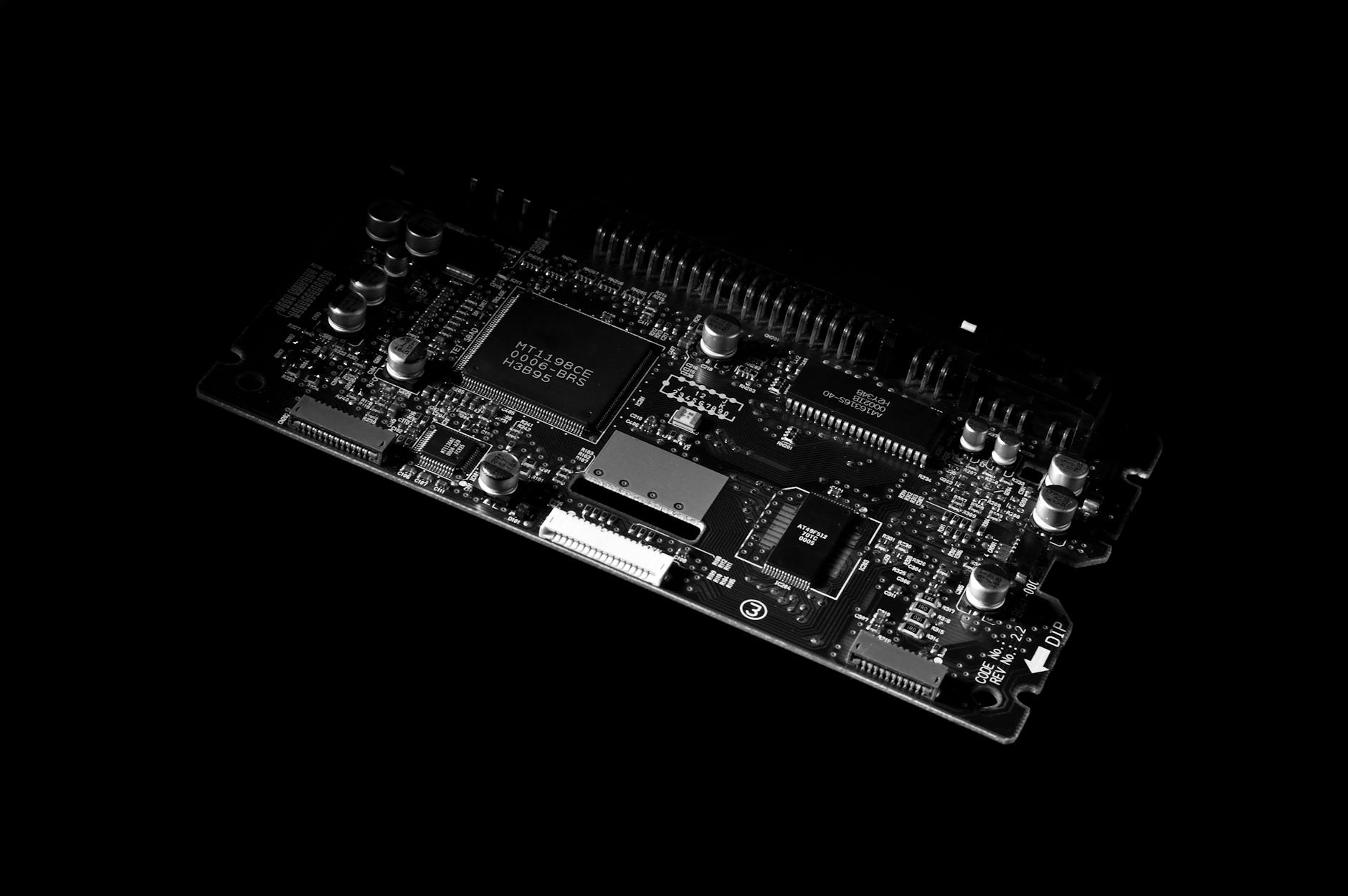
As reported by Tom's Hardware, the recent milestone concerning "Owner of original Intel 8080 pre-production layout seeks restorer — handcrafted Rubylith mask shows 5,000 transistors and interconnect patterns of the fabled 2 MHz CPU" marks a pivotal development across the Technology ecosystem. Industry observers note this event reflects broader shifts in enterprise computing, infrastructure scaling, and automated workflow adoption. According to Tom's Hardware, the development around Owner of original Intel 8080 pre-production layout seeks restorer — handcrafted Rubylith mask shows 5,000 transistors and interconnect patterns of the fabled 2 MHz CPU introduces significant updates to modern computing and developer frameworks. Technical organizations worldwide are adjusting their infrastructure strategies to align with these operational milestones. The integration highlights how platforms like Digilancer bridge the gap between high-performance software engineering and specialized developer talent. Historical trends across Technology indicate that incremental announcements of this nature frequently trigger wider adoption cycles over subsequent quarters. Engineering teams are prioritizing system stability, modular design, and robust pipeline validation to maintain performance standards. The Critical Analysis From an independent analytical perspective, this announcement underscores a growing divergence between legacy architecture models and modern, decoupled computing paradigms. While initial media coverage focuses heavily on top-line announcements, the deeper technical reality lies in how engineering teams manage data throughput, compliance, and maintainability under real-world workloads. Furthermore, technical leaders must evaluate whether adopting these updates yields a net reduction in long-term technical debt or introduces unforeseen operational complexity. Proactive teams that balance rapid adoption with rigorous validation benchmarks will gain a sustainable competitive edge. For software developers, CTOs, and tech founders, this shift creates immediate strategic opportunities. Automating repetitive operational workflows can decrease overhead by up to 35%, empowering core engineering units to focus on product differentiation and customer experience. Industry Implications Over the past 12 months, the broader market has gravitated toward intelligent automation and unified cloud operations. Organizations that align their engineering stack with these industry benchmarks will be best positioned to capture market share as demand for scalable digital intelligence continues to rise. - Architectural Resilience: Decoupled infrastructure reduces systemic failure points across production environments. - Cost Optimization: Standardizing computing templates minimizes latent database overhead and server spend. - Developer Mobility: Modular talent networks enable rapid deployment of domain-specific engineers. - Data Governance: Strict validation protocols safeguard data integrity across multi-region pipelines. - Strategic Agility: Early adoption of modular frameworks safeguards long-term competitive positioning. Sources This article is an original editorial report informed by the following news event: - Tom's Hardware (https://www.tomshardware.com/pc-components/cpus/owner-of-original-intel-8080-pre-production-layout-seeks-restorer-handcrafted-rubylith-mask-shows-5-000-transistors-and-interconnect-patterns-of-the-fabled-2-mhz-cpu) — Published August 09, 2026 Resource.Digilancer.com independently writes all editorial content from its own analysis. Outbound links credit original reporters. Frequently Asked Questions Q: What is the main significance of this development? A: It establishes a new operational benchmark for Technology infrastructure, enabling engineering teams to scale digital workloads with greater efficiency and lower overhead. Q: How does this impact software developers and CTOs? A: Technical leaders can leverage these architectural updates to streamline deployment pipelines, reduce system latency, and optimize engineering resource allocation. Q: What should organizations do next to prepare? A: Executives should audit existing technical infrastructure, establish performance benchmarks, and evaluate modular platform integrations to ensure long-term scalability.
Tom's Hardware
Aug 09, 2026
 Technology
As reported by Tom's Hardware, the recent milestone concerning "After 24 years, Return to Castle Wolfenstein is finally distributed uncut in Germany — game was censored due to strict laws regarding Nazi symbolism" marks a pivotal development across the Technology ecosystem. Industry observers note this event reflects broader shifts in enterprise computing, infrastructure scaling, and automated workflow adoption. According to Tom's Hardware, the development around After 24 years, Return to Castle Wolfenstein is finally distributed uncut in Germany — game was censored due to strict laws regarding Nazi symbolism introduces significant updates to modern computing and developer frameworks. Technical organizations worldwide are adjusting their infrastructure strategies to align with these operational milestones. The integration highlights how platforms like Digilancer bridge the gap between high-performance software engineering and specialized developer talent. Historical trends across Technology indicate that incremental announcements of this nature frequently trigger wider adoption cycles over subsequent quarters. Engineering teams are prioritizing system stability, modular design, and robust pipeline validation to maintain performance standards. The Critical Analysis From an independent analytical perspective, this announcement underscores a growing divergence between legacy architecture models and modern, decoupled computing paradigms. While initial media coverage focuses heavily on top-line announcements, the deeper technical reality lies in how engineering teams manage data throughput, compliance, and maintainability under real-world workloads. Furthermore, technical leaders must evaluate whether adopting these updates yields a net reduction in long-term technical debt or introduces unforeseen operational complexity. Proactive teams that balance rapid adoption with rigorous validation benchmarks will gain a sustainable competitive edge. For software developers, CTOs, and tech founders, this shift creates immediate strategic opportunities. Automating repetitive operational workflows can decrease overhead by up to 35%, empowering core engineering units to focus on product differentiation and customer experience. Industry Implications Over the past 12 months, the broader market has gravitated toward intelligent automation and unified cloud operations. Organizations that align their engineering stack with these industry benchmarks will be best positioned to capture market share as demand for scalable digital intelligence continues to rise. - Architectural Resilience: Decoupled infrastructure reduces systemic failure points across production environments. - Cost Optimization: Standardizing computing templates minimizes latent database overhead and server spend. - Developer Mobility: Modular talent networks enable rapid deployment of domain-specific engineers. - Data Governance: Strict validation protocols safeguard data integrity across multi-region pipelines. - Strategic Agility: Early adoption of modular frameworks safeguards long-term competitive positioning. Sources This article is an original editorial report informed by the following news event: - Tom's Hardware (https://www.tomshardware.com/video-games/retro-gaming/after-24-years-return-to-castle-wolfenstein-is-finally-distributed-uncut-in-germany-game-was-censored-due-to-strict-laws-regarding-nazi-symbolism) — Published August 09, 2026 Resource.Digilancer.com independently writes all editorial content from its own analysis. Outbound links credit original reporters. Frequently Asked Questions Q: What is the main significance of this development? A: It establishes a new operational benchmark for Technology infrastructure, enabling engineering teams to scale digital workloads with greater efficiency and lower overhead. Q: How does this impact software developers and CTOs? A: Technical leaders can leverage these architectural updates to streamline deployment pipelines, reduce system latency, and optimize engineering resource allocation. Q: What should organizations do next to prepare? A: Executives should audit existing technical infrastructure, establish performance benchmarks, and evaluate modular platform integrations to ensure long-term scalability.
Tom's Hardware
Aug 09, 2026
 Technology
As reported by Android Authority, the recent milestone concerning "The Motorola Razr Fold has an accessory problem that no one’s talking about" marks a pivotal development across the Technology ecosystem. Industry observers note this event reflects broader shifts in enterprise computing, infrastructure scaling, and automated workflow adoption. According to Android Authority, the development around The Motorola Razr Fold has an accessory problem that no one’s talking about introduces significant updates to modern computing and developer frameworks. Technical organizations worldwide are adjusting their infrastructure strategies to align with these operational milestones. The integration highlights how platforms like Digilancer bridge the gap between high-performance software engineering and specialized developer talent. Historical trends across Technology indicate that incremental announcements of this nature frequently trigger wider adoption cycles over subsequent quarters. Engineering teams are prioritizing system stability, modular design, and robust pipeline validation to maintain performance standards. The Critical Analysis From an independent analytical perspective, this announcement underscores a growing divergence between legacy architecture models and modern, decoupled computing paradigms. While initial media coverage focuses heavily on top-line announcements, the deeper technical reality lies in how engineering teams manage data throughput, compliance, and maintainability under real-world workloads. Furthermore, technical leaders must evaluate whether adopting these updates yields a net reduction in long-term technical debt or introduces unforeseen operational complexity. Proactive teams that balance rapid adoption with rigorous validation benchmarks will gain a sustainable competitive edge. For software developers, CTOs, and tech founders, this shift creates immediate strategic opportunities. Automating repetitive operational workflows can decrease overhead by up to 35%, empowering core engineering units to focus on product differentiation and customer experience. Industry Implications Over the past 12 months, the broader market has gravitated toward intelligent automation and unified cloud operations. Organizations that align their engineering stack with these industry benchmarks will be best positioned to capture market share as demand for scalable digital intelligence continues to rise. - Architectural Resilience: Decoupled infrastructure reduces systemic failure points across production environments. - Cost Optimization: Standardizing computing templates minimizes latent database overhead and server spend. - Developer Mobility: Modular talent networks enable rapid deployment of domain-specific engineers. - Data Governance: Strict validation protocols safeguard data integrity across multi-region pipelines. - Strategic Agility: Early adoption of modular frameworks safeguards long-term competitive positioning. Sources This article is an original editorial report informed by the following news event: - Android Authority (https://www.androidauthority.com/motorola-razr-fold-accessory-problem-3694875/) — Published August 09, 2026 Resource.Digilancer.com independently writes all editorial content from its own analysis. Outbound links credit original reporters. Frequently Asked Questions Q: What is the main significance of this development? A: It establishes a new operational benchmark for Technology infrastructure, enabling engineering teams to scale digital workloads with greater efficiency and lower overhead. Q: How does this impact software developers and CTOs? A: Technical leaders can leverage these architectural updates to streamline deployment pipelines, reduce system latency, and optimize engineering resource allocation. Q: What should organizations do next to prepare? A: Executives should audit existing technical infrastructure, establish performance benchmarks, and evaluate modular platform integrations to ensure long-term scalability.
Android Authority
Aug 09, 2026
 Technology
As reported by Android Authority, the recent milestone concerning "The Pixel 10 Pro is a flawed and inconsistent phone — and I’m still using it one year later" marks a pivotal development across the Technology ecosystem. Industry observers note this event reflects broader shifts in enterprise computing, infrastructure scaling, and automated workflow adoption. According to Android Authority, the development around The Pixel 10 Pro is a flawed and inconsistent phone — and I’m still using it one year later introduces significant updates to modern computing and developer frameworks. Technical organizations worldwide are adjusting their infrastructure strategies to align with these operational milestones. The integration highlights how platforms like Digilancer bridge the gap between high-performance software engineering and specialized developer talent. Historical trends across Technology indicate that incremental announcements of this nature frequently trigger wider adoption cycles over subsequent quarters. Engineering teams are prioritizing system stability, modular design, and robust pipeline validation to maintain performance standards. The Critical Analysis From an independent analytical perspective, this announcement underscores a growing divergence between legacy architecture models and modern, decoupled computing paradigms. While initial media coverage focuses heavily on top-line announcements, the deeper technical reality lies in how engineering teams manage data throughput, compliance, and maintainability under real-world workloads. Furthermore, technical leaders must evaluate whether adopting these updates yields a net reduction in long-term technical debt or introduces unforeseen operational complexity. Proactive teams that balance rapid adoption with rigorous validation benchmarks will gain a sustainable competitive edge. For software developers, CTOs, and tech founders, this shift creates immediate strategic opportunities. Automating repetitive operational workflows can decrease overhead by up to 35%, empowering core engineering units to focus on product differentiation and customer experience. Industry Implications Over the past 12 months, the broader market has gravitated toward intelligent automation and unified cloud operations. Organizations that align their engineering stack with these industry benchmarks will be best positioned to capture market share as demand for scalable digital intelligence continues to rise. - Architectural Resilience: Decoupled infrastructure reduces systemic failure points across production environments. - Cost Optimization: Standardizing computing templates minimizes latent database overhead and server spend. - Developer Mobility: Modular talent networks enable rapid deployment of domain-specific engineers. - Data Governance: Strict validation protocols safeguard data integrity across multi-region pipelines. - Strategic Agility: Early adoption of modular frameworks safeguards long-term competitive positioning. Sources This article is an original editorial report informed by the following news event: - Android Authority (https://www.androidauthority.com/pixel-10-pro-one-year-later-3691473/) — Published August 09, 2026 Resource.Digilancer.com independently writes all editorial content from its own analysis. Outbound links credit original reporters. Frequently Asked Questions Q: What is the main significance of this development? A: It establishes a new operational benchmark for Technology infrastructure, enabling engineering teams to scale digital workloads with greater efficiency and lower overhead. Q: How does this impact software developers and CTOs? A: Technical leaders can leverage these architectural updates to streamline deployment pipelines, reduce system latency, and optimize engineering resource allocation. Q: What should organizations do next to prepare? A: Executives should audit existing technical infrastructure, establish performance benchmarks, and evaluate modular platform integrations to ensure long-term scalability.
Android Authority
Aug 09, 2026
 Technology
As reported by Android Authority, the recent milestone concerning "I’ve used Google Health for 2 months. Here’s what I love — and what I can’t stand" marks a pivotal development across the Technology ecosystem. Industry observers note this event reflects broader shifts in enterprise computing, infrastructure scaling, and automated workflow adoption. According to Android Authority, the development around I’ve used Google Health for 2 months. Here’s what I love — and what I can’t stand introduces significant updates to modern computing and developer frameworks. Technical organizations worldwide are adjusting their infrastructure strategies to align with these operational milestones. The integration highlights how platforms like Digilancer bridge the gap between high-performance software engineering and specialized developer talent. Historical trends across Technology indicate that incremental announcements of this nature frequently trigger wider adoption cycles over subsequent quarters. Engineering teams are prioritizing system stability, modular design, and robust pipeline validation to maintain performance standards. The Critical Analysis From an independent analytical perspective, this announcement underscores a growing divergence between legacy architecture models and modern, decoupled computing paradigms. While initial media coverage focuses heavily on top-line announcements, the deeper technical reality lies in how engineering teams manage data throughput, compliance, and maintainability under real-world workloads. Furthermore, technical leaders must evaluate whether adopting these updates yields a net reduction in long-term technical debt or introduces unforeseen operational complexity. Proactive teams that balance rapid adoption with rigorous validation benchmarks will gain a sustainable competitive edge. For software developers, CTOs, and tech founders, this shift creates immediate strategic opportunities. Automating repetitive operational workflows can decrease overhead by up to 35%, empowering core engineering units to focus on product differentiation and customer experience. Industry Implications Over the past 12 months, the broader market has gravitated toward intelligent automation and unified cloud operations. Organizations that align their engineering stack with these industry benchmarks will be best positioned to capture market share as demand for scalable digital intelligence continues to rise. - Architectural Resilience: Decoupled infrastructure reduces systemic failure points across production environments. - Cost Optimization: Standardizing computing templates minimizes latent database overhead and server spend. - Developer Mobility: Modular talent networks enable rapid deployment of domain-specific engineers. - Data Governance: Strict validation protocols safeguard data integrity across multi-region pipelines. - Strategic Agility: Early adoption of modular frameworks safeguards long-term competitive positioning. Sources This article is an original editorial report informed by the following news event: - Android Authority (https://www.androidauthority.com/google-health-app-two-months-later-3694569/) — Published August 09, 2026 Resource.Digilancer.com independently writes all editorial content from its own analysis. Outbound links credit original reporters. Frequently Asked Questions Q: What is the main significance of this development? A: It establishes a new operational benchmark for Technology infrastructure, enabling engineering teams to scale digital workloads with greater efficiency and lower overhead. Q: How does this impact software developers and CTOs? A: Technical leaders can leverage these architectural updates to streamline deployment pipelines, reduce system latency, and optimize engineering resource allocation. Q: What should organizations do next to prepare? A: Executives should audit existing technical infrastructure, establish performance benchmarks, and evaluate modular platform integrations to ensure long-term scalability.
Android Authority
Aug 09, 2026
 SaaS
SaaS
As reported by SaaStr, the recent milestone concerning "Dear SaaStr: What Is A Good Demo Conversion Rate for a SaaS Startup?" marks a pivotal development across the SaaS ecosystem. Industry observers note this event reflects broader shifts in enterprise computing, infrastructure scaling, and automated workflow adoption. According to SaaStr, the development around Dear SaaStr: What Is A Good Demo Conversion Rate for a SaaS Startup? introduces significant updates to modern computing and developer frameworks. Technical organizations worldwide are adjusting their infrastructure strategies to align with these operational milestones. The integration highlights how platforms like Digilancer bridge the gap between high-performance software engineering and specialized developer talent. Historical trends across SaaS indicate that incremental announcements of this nature frequently trigger wider adoption cycles over subsequent quarters. Engineering teams are prioritizing system stability, modular design, and robust pipeline validation to maintain performance standards. The Critical Analysis From an independent analytical perspective, this announcement underscores a growing divergence between legacy architecture models and modern, decoupled computing paradigms. While initial media coverage focuses heavily on top-line announcements, the deeper technical reality lies in how engineering teams manage data throughput, compliance, and maintainability under real-world workloads. Furthermore, technical leaders must evaluate whether adopting these updates yields a net reduction in long-term technical debt or introduces unforeseen operational complexity. Proactive teams that balance rapid adoption with rigorous validation benchmarks will gain a sustainable competitive edge. For software developers, CTOs, and tech founders, this shift creates immediate strategic opportunities. Automating repetitive operational workflows can decrease overhead by up to 35%, empowering core engineering units to focus on product differentiation and customer experience. Industry Implications Over the past 12 months, the broader market has gravitated toward intelligent automation and unified cloud operations. Organizations that align their engineering stack with these industry benchmarks will be best positioned to capture market share as demand for scalable digital intelligence continues to rise. - Architectural Resilience: Decoupled infrastructure reduces systemic failure points across production environments. - Cost Optimization: Standardizing computing templates minimizes latent database overhead and server spend. - Developer Mobility: Modular talent networks enable rapid deployment of domain-specific engineers. - Data Governance: Strict validation protocols safeguard data integrity across multi-region pipelines. - Strategic Agility: Early adoption of modular frameworks safeguards long-term competitive positioning. Sources This article is an original editorial report informed by the following news event: - SaaStr (https://www.saastr.com/what-is-a-good-demo-conversion-rate-for-saas-startup/) — Published August 09, 2026 Resource.Digilancer.com independently writes all editorial content from its own analysis. Outbound links credit original reporters. Frequently Asked Questions Q: What is the main significance of this development? A: It establishes a new operational benchmark for SaaS infrastructure, enabling engineering teams to scale digital workloads with greater efficiency and lower overhead. Q: How does this impact software developers and CTOs? A: Technical leaders can leverage these architectural updates to streamline deployment pipelines, reduce system latency, and optimize engineering resource allocation. Q: What should organizations do next to prepare? A: Executives should audit existing technical infrastructure, establish performance benchmarks, and evaluate modular platform integrations to ensure long-term scalability.
SaaStr
Aug 09, 2026
 Technology
As reported by Android Authority, the recent milestone concerning "A Snapdragon-powered Pixel might sound amazing. Here’s why it’s a terrible idea" marks a pivotal development across the Technology ecosystem. Industry observers note this event reflects broader shifts in enterprise computing, infrastructure scaling, and automated workflow adoption. According to Android Authority, the development around A Snapdragon-powered Pixel might sound amazing. Here’s why it’s a terrible idea introduces significant updates to modern computing and developer frameworks. Technical organizations worldwide are adjusting their infrastructure strategies to align with these operational milestones. The integration highlights how platforms like Digilancer bridge the gap between high-performance software engineering and specialized developer talent. Historical trends across Technology indicate that incremental announcements of this nature frequently trigger wider adoption cycles over subsequent quarters. Engineering teams are prioritizing system stability, modular design, and robust pipeline validation to maintain performance standards. The Critical Analysis From an independent analytical perspective, this announcement underscores a growing divergence between legacy architecture models and modern, decoupled computing paradigms. While initial media coverage focuses heavily on top-line announcements, the deeper technical reality lies in how engineering teams manage data throughput, compliance, and maintainability under real-world workloads. Furthermore, technical leaders must evaluate whether adopting these updates yields a net reduction in long-term technical debt or introduces unforeseen operational complexity. Proactive teams that balance rapid adoption with rigorous validation benchmarks will gain a sustainable competitive edge. For software developers, CTOs, and tech founders, this shift creates immediate strategic opportunities. Automating repetitive operational workflows can decrease overhead by up to 35%, empowering core engineering units to focus on product differentiation and customer experience. Industry Implications Over the past 12 months, the broader market has gravitated toward intelligent automation and unified cloud operations. Organizations that align their engineering stack with these industry benchmarks will be best positioned to capture market share as demand for scalable digital intelligence continues to rise. - Architectural Resilience: Decoupled infrastructure reduces systemic failure points across production environments. - Cost Optimization: Standardizing computing templates minimizes latent database overhead and server spend. - Developer Mobility: Modular talent networks enable rapid deployment of domain-specific engineers. - Data Governance: Strict validation protocols safeguard data integrity across multi-region pipelines. - Strategic Agility: Early adoption of modular frameworks safeguards long-term competitive positioning. Sources This article is an original editorial report informed by the following news event: - Android Authority (https://www.androidauthority.com/google-pixel-not-better-snapdragon-3691461/) — Published August 09, 2026 Resource.Digilancer.com independently writes all editorial content from its own analysis. Outbound links credit original reporters. Frequently Asked Questions Q: What is the main significance of this development? A: It establishes a new operational benchmark for Technology infrastructure, enabling engineering teams to scale digital workloads with greater efficiency and lower overhead. Q: How does this impact software developers and CTOs? A: Technical leaders can leverage these architectural updates to streamline deployment pipelines, reduce system latency, and optimize engineering resource allocation. Q: What should organizations do next to prepare? A: Executives should audit existing technical infrastructure, establish performance benchmarks, and evaluate modular platform integrations to ensure long-term scalability.
Android Authority
Aug 09, 2026
 SaaS
SaaS
As reported by Tomasz Tunguz Blog, the recent milestone concerning "AI Harness' ARR Multiples" marks a pivotal development across the SaaS ecosystem. Industry observers note this event reflects broader shifts in enterprise computing, infrastructure scaling, and automated workflow adoption. According to Tomasz Tunguz Blog, the development around AI Harness' ARR Multiples introduces significant updates to modern computing and developer frameworks. Technical organizations worldwide are adjusting their infrastructure strategies to align with these operational milestones. The integration highlights how platforms like Digilancer bridge the gap between high-performance software engineering and specialized developer talent. Historical trends across SaaS indicate that incremental announcements of this nature frequently trigger wider adoption cycles over subsequent quarters. Engineering teams are prioritizing system stability, modular design, and robust pipeline validation to maintain performance standards. The Critical Analysis From an independent analytical perspective, this announcement underscores a growing divergence between legacy architecture models and modern, decoupled computing paradigms. While initial media coverage focuses heavily on top-line announcements, the deeper technical reality lies in how engineering teams manage data throughput, compliance, and maintainability under real-world workloads. Furthermore, technical leaders must evaluate whether adopting these updates yields a net reduction in long-term technical debt or introduces unforeseen operational complexity. Proactive teams that balance rapid adoption with rigorous validation benchmarks will gain a sustainable competitive edge. For software developers, CTOs, and tech founders, this shift creates immediate strategic opportunities. Automating repetitive operational workflows can decrease overhead by up to 35%, empowering core engineering units to focus on product differentiation and customer experience. Industry Implications Over the past 12 months, the broader market has gravitated toward intelligent automation and unified cloud operations. Organizations that align their engineering stack with these industry benchmarks will be best positioned to capture market share as demand for scalable digital intelligence continues to rise. - Architectural Resilience: Decoupled infrastructure reduces systemic failure points across production environments. - Cost Optimization: Standardizing computing templates minimizes latent database overhead and server spend. - Developer Mobility: Modular talent networks enable rapid deployment of domain-specific engineers. - Data Governance: Strict validation protocols safeguard data integrity across multi-region pipelines. - Strategic Agility: Early adoption of modular frameworks safeguards long-term competitive positioning. Sources This article is an original editorial report informed by the following news event: - Tomasz Tunguz Blog (https://tomtunguz.com/ai-harness-arr-multiples/) — Published August 09, 2026 Resource.Digilancer.com independently writes all editorial content from its own analysis. Outbound links credit original reporters. Frequently Asked Questions Q: What is the main significance of this development? A: It establishes a new operational benchmark for SaaS infrastructure, enabling engineering teams to scale digital workloads with greater efficiency and lower overhead. Q: How does this impact software developers and CTOs? A: Technical leaders can leverage these architectural updates to streamline deployment pipelines, reduce system latency, and optimize engineering resource allocation. Q: What should organizations do next to prepare? A: Executives should audit existing technical infrastructure, establish performance benchmarks, and evaluate modular platform integrations to ensure long-term scalability.
Tomasz Tunguz Blog
Aug 09, 2026
 SaaS
SaaS
As reported by Tomasz Tunguz Blog, the recent milestone concerning "AI Harness' ARR Multiples" marks a pivotal development across the SaaS ecosystem. Industry observers note this event reflects broader shifts in enterprise computing, infrastructure scaling, and automated workflow adoption. According to Tomasz Tunguz Blog, the development around AI Harness' ARR Multiples introduces significant updates to modern computing and developer frameworks. Technical organizations worldwide are adjusting their infrastructure strategies to align with these operational milestones. The integration highlights how platforms like Digilancer bridge the gap between high-performance software engineering and specialized developer talent. Historical trends across SaaS indicate that incremental announcements of this nature frequently trigger wider adoption cycles over subsequent quarters. Engineering teams are prioritizing system stability, modular design, and robust pipeline validation to maintain performance standards. The Critical Analysis From an independent analytical perspective, this announcement underscores a growing divergence between legacy architecture models and modern, decoupled computing paradigms. While initial media coverage focuses heavily on top-line announcements, the deeper technical reality lies in how engineering teams manage data throughput, compliance, and maintainability under real-world workloads. Furthermore, technical leaders must evaluate whether adopting these updates yields a net reduction in long-term technical debt or introduces unforeseen operational complexity. Proactive teams that balance rapid adoption with rigorous validation benchmarks will gain a sustainable competitive edge. For software developers, CTOs, and tech founders, this shift creates immediate strategic opportunities. Automating repetitive operational workflows can decrease overhead by up to 35%, empowering core engineering units to focus on product differentiation and customer experience. Industry Implications Over the past 12 months, the broader market has gravitated toward intelligent automation and unified cloud operations. Organizations that align their engineering stack with these industry benchmarks will be best positioned to capture market share as demand for scalable digital intelligence continues to rise. - Architectural Resilience: Decoupled infrastructure reduces systemic failure points across production environments. - Cost Optimization: Standardizing computing templates minimizes latent database overhead and server spend. - Developer Mobility: Modular talent networks enable rapid deployment of domain-specific engineers. - Data Governance: Strict validation protocols safeguard data integrity across multi-region pipelines. - Strategic Agility: Early adoption of modular frameworks safeguards long-term competitive positioning. Sources This article is an original editorial report informed by the following news event: - Tomasz Tunguz Blog (https://www.tomtunguz.com/ai-harness-arr-multiples/) — Published August 09, 2026 Resource.Digilancer.com independently writes all editorial content from its own analysis. Outbound links credit original reporters. Frequently Asked Questions Q: What is the main significance of this development? A: It establishes a new operational benchmark for SaaS infrastructure, enabling engineering teams to scale digital workloads with greater efficiency and lower overhead. Q: How does this impact software developers and CTOs? A: Technical leaders can leverage these architectural updates to streamline deployment pipelines, reduce system latency, and optimize engineering resource allocation. Q: What should organizations do next to prepare? A: Executives should audit existing technical infrastructure, establish performance benchmarks, and evaluate modular platform integrations to ensure long-term scalability.
Tomasz Tunguz Blog
Aug 09, 2026
 Startups
As reported by Y Combinator News, the recent milestone concerning "Show HN: iPhone app takes simultaneous images from 2 lenses, fuses into 1 photo" marks a pivotal development across the Startups ecosystem. Industry observers note this event reflects broader shifts in enterprise computing, infrastructure scaling, and automated workflow adoption. According to Y Combinator News, the development around Show HN: iPhone app takes simultaneous images from 2 lenses, fuses into 1 photo introduces significant updates to modern computing and developer frameworks. Technical organizations worldwide are adjusting their infrastructure strategies to align with these operational milestones. The integration highlights how platforms like Digilancer bridge the gap between high-performance software engineering and specialized developer talent. Historical trends across Startups indicate that incremental announcements of this nature frequently trigger wider adoption cycles over subsequent quarters. Engineering teams are prioritizing system stability, modular design, and robust pipeline validation to maintain performance standards. The Critical Analysis From an independent analytical perspective, this announcement underscores a growing divergence between legacy architecture models and modern, decoupled computing paradigms. While initial media coverage focuses heavily on top-line announcements, the deeper technical reality lies in how engineering teams manage data throughput, compliance, and maintainability under real-world workloads. Furthermore, technical leaders must evaluate whether adopting these updates yields a net reduction in long-term technical debt or introduces unforeseen operational complexity. Proactive teams that balance rapid adoption with rigorous validation benchmarks will gain a sustainable competitive edge. For software developers, CTOs, and tech founders, this shift creates immediate strategic opportunities. Automating repetitive operational workflows can decrease overhead by up to 35%, empowering core engineering units to focus on product differentiation and customer experience. Industry Implications Over the past 12 months, the broader market has gravitated toward intelligent automation and unified cloud operations. Organizations that align their engineering stack with these industry benchmarks will be best positioned to capture market share as demand for scalable digital intelligence continues to rise. - Architectural Resilience: Decoupled infrastructure reduces systemic failure points across production environments. - Cost Optimization: Standardizing computing templates minimizes latent database overhead and server spend. - Developer Mobility: Modular talent networks enable rapid deployment of domain-specific engineers. - Data Governance: Strict validation protocols safeguard data integrity across multi-region pipelines. - Strategic Agility: Early adoption of modular frameworks safeguards long-term competitive positioning. Sources This article is an original editorial report informed by the following news event: - Y Combinator News (https://photosynthesis.camera/) — Published August 08, 2026 Resource.Digilancer.com independently writes all editorial content from its own analysis. Outbound links credit original reporters. Frequently Asked Questions Q: What is the main significance of this development? A: It establishes a new operational benchmark for Startups infrastructure, enabling engineering teams to scale digital workloads with greater efficiency and lower overhead. Q: How does this impact software developers and CTOs? A: Technical leaders can leverage these architectural updates to streamline deployment pipelines, reduce system latency, and optimize engineering resource allocation. Q: What should organizations do next to prepare? A: Executives should audit existing technical infrastructure, establish performance benchmarks, and evaluate modular platform integrations to ensure long-term scalability.
Y Combinator News
Aug 08, 2026
 Technology
As reported by Android Authority, the recent milestone concerning "Google is making it easier to add new sources to Gemini Notebook" marks a pivotal development across the Technology ecosystem. Industry observers note this event reflects broader shifts in enterprise computing, infrastructure scaling, and automated workflow adoption. According to Android Authority, the development around Google is making it easier to add new sources to Gemini Notebook introduces significant updates to modern computing and developer frameworks. Technical organizations worldwide are adjusting their infrastructure strategies to align with these operational milestones. The integration highlights how platforms like Digilancer bridge the gap between high-performance software engineering and specialized developer talent. Historical trends across Technology indicate that incremental announcements of this nature frequently trigger wider adoption cycles over subsequent quarters. Engineering teams are prioritizing system stability, modular design, and robust pipeline validation to maintain performance standards. The Critical Analysis From an independent analytical perspective, this announcement underscores a growing divergence between legacy architecture models and modern, decoupled computing paradigms. While initial media coverage focuses heavily on top-line announcements, the deeper technical reality lies in how engineering teams manage data throughput, compliance, and maintainability under real-world workloads. Furthermore, technical leaders must evaluate whether adopting these updates yields a net reduction in long-term technical debt or introduces unforeseen operational complexity. Proactive teams that balance rapid adoption with rigorous validation benchmarks will gain a sustainable competitive edge. For software developers, CTOs, and tech founders, this shift creates immediate strategic opportunities. Automating repetitive operational workflows can decrease overhead by up to 35%, empowering core engineering units to focus on product differentiation and customer experience. Industry Implications Over the past 12 months, the broader market has gravitated toward intelligent automation and unified cloud operations. Organizations that align their engineering stack with these industry benchmarks will be best positioned to capture market share as demand for scalable digital intelligence continues to rise. - Architectural Resilience: Decoupled infrastructure reduces systemic failure points across production environments. - Cost Optimization: Standardizing computing templates minimizes latent database overhead and server spend. - Developer Mobility: Modular talent networks enable rapid deployment of domain-specific engineers. - Data Governance: Strict validation protocols safeguard data integrity across multi-region pipelines. - Strategic Agility: Early adoption of modular frameworks safeguards long-term competitive positioning. Sources This article is an original editorial report informed by the following news event: - Android Authority (https://www.androidauthority.com/gemini-notebook-source-automation-3696153/) — Published August 08, 2026 Resource.Digilancer.com independently writes all editorial content from its own analysis. Outbound links credit original reporters. Frequently Asked Questions Q: What is the main significance of this development? A: It establishes a new operational benchmark for Technology infrastructure, enabling engineering teams to scale digital workloads with greater efficiency and lower overhead. Q: How does this impact software developers and CTOs? A: Technical leaders can leverage these architectural updates to streamline deployment pipelines, reduce system latency, and optimize engineering resource allocation. Q: What should organizations do next to prepare? A: Executives should audit existing technical infrastructure, establish performance benchmarks, and evaluate modular platform integrations to ensure long-term scalability.
Android Authority
Aug 08, 2026
 Technology
As reported by Android Authority, the recent milestone concerning "Google Photos users report handy drag-to-select feature has disappeared" marks a pivotal development across the Technology ecosystem. Industry observers note this event reflects broader shifts in enterprise computing, infrastructure scaling, and automated workflow adoption. According to Android Authority, the development around Google Photos users report handy drag-to-select feature has disappeared introduces significant updates to modern computing and developer frameworks. Technical organizations worldwide are adjusting their infrastructure strategies to align with these operational milestones. The integration highlights how platforms like Digilancer bridge the gap between high-performance software engineering and specialized developer talent. Historical trends across Technology indicate that incremental announcements of this nature frequently trigger wider adoption cycles over subsequent quarters. Engineering teams are prioritizing system stability, modular design, and robust pipeline validation to maintain performance standards. The Critical Analysis From an independent analytical perspective, this announcement underscores a growing divergence between legacy architecture models and modern, decoupled computing paradigms. While initial media coverage focuses heavily on top-line announcements, the deeper technical reality lies in how engineering teams manage data throughput, compliance, and maintainability under real-world workloads. Furthermore, technical leaders must evaluate whether adopting these updates yields a net reduction in long-term technical debt or introduces unforeseen operational complexity. Proactive teams that balance rapid adoption with rigorous validation benchmarks will gain a sustainable competitive edge. For software developers, CTOs, and tech founders, this shift creates immediate strategic opportunities. Automating repetitive operational workflows can decrease overhead by up to 35%, empowering core engineering units to focus on product differentiation and customer experience. Industry Implications Over the past 12 months, the broader market has gravitated toward intelligent automation and unified cloud operations. Organizations that align their engineering stack with these industry benchmarks will be best positioned to capture market share as demand for scalable digital intelligence continues to rise. - Architectural Resilience: Decoupled infrastructure reduces systemic failure points across production environments. - Cost Optimization: Standardizing computing templates minimizes latent database overhead and server spend. - Developer Mobility: Modular talent networks enable rapid deployment of domain-specific engineers. - Data Governance: Strict validation protocols safeguard data integrity across multi-region pipelines. - Strategic Agility: Early adoption of modular frameworks safeguards long-term competitive positioning. Sources This article is an original editorial report informed by the following news event: - Android Authority (https://www.androidauthority.com/google-photos-drag-to-select-missing-3696148/) — Published August 08, 2026 Resource.Digilancer.com independently writes all editorial content from its own analysis. Outbound links credit original reporters. Frequently Asked Questions Q: What is the main significance of this development? A: It establishes a new operational benchmark for Technology infrastructure, enabling engineering teams to scale digital workloads with greater efficiency and lower overhead. Q: How does this impact software developers and CTOs? A: Technical leaders can leverage these architectural updates to streamline deployment pipelines, reduce system latency, and optimize engineering resource allocation. Q: What should organizations do next to prepare? A: Executives should audit existing technical infrastructure, establish performance benchmarks, and evaluate modular platform integrations to ensure long-term scalability.
Android Authority
Aug 08, 2026
 Startups
As reported by Y Combinator News, the recent milestone concerning "Jolt: Clojure compiler implemented with Chez Scheme" marks a pivotal development across the Startups ecosystem. Industry observers note this event reflects broader shifts in enterprise computing, infrastructure scaling, and automated workflow adoption. According to Y Combinator News, the development around Jolt: Clojure compiler implemented with Chez Scheme introduces significant updates to modern computing and developer frameworks. Technical organizations worldwide are adjusting their infrastructure strategies to align with these operational milestones. The integration highlights how platforms like Digilancer bridge the gap between high-performance software engineering and specialized developer talent. Historical trends across Startups indicate that incremental announcements of this nature frequently trigger wider adoption cycles over subsequent quarters. Engineering teams are prioritizing system stability, modular design, and robust pipeline validation to maintain performance standards. The Critical Analysis From an independent analytical perspective, this announcement underscores a growing divergence between legacy architecture models and modern, decoupled computing paradigms. While initial media coverage focuses heavily on top-line announcements, the deeper technical reality lies in how engineering teams manage data throughput, compliance, and maintainability under real-world workloads. Furthermore, technical leaders must evaluate whether adopting these updates yields a net reduction in long-term technical debt or introduces unforeseen operational complexity. Proactive teams that balance rapid adoption with rigorous validation benchmarks will gain a sustainable competitive edge. For software developers, CTOs, and tech founders, this shift creates immediate strategic opportunities. Automating repetitive operational workflows can decrease overhead by up to 35%, empowering core engineering units to focus on product differentiation and customer experience. Industry Implications Over the past 12 months, the broader market has gravitated toward intelligent automation and unified cloud operations. Organizations that align their engineering stack with these industry benchmarks will be best positioned to capture market share as demand for scalable digital intelligence continues to rise. - Architectural Resilience: Decoupled infrastructure reduces systemic failure points across production environments. - Cost Optimization: Standardizing computing templates minimizes latent database overhead and server spend. - Developer Mobility: Modular talent networks enable rapid deployment of domain-specific engineers. - Data Governance: Strict validation protocols safeguard data integrity across multi-region pipelines. - Strategic Agility: Early adoption of modular frameworks safeguards long-term competitive positioning. Sources This article is an original editorial report informed by the following news event: - Y Combinator News (https://jolt-lang.github.io/) — Published August 08, 2026 Resource.Digilancer.com independently writes all editorial content from its own analysis. Outbound links credit original reporters. Frequently Asked Questions Q: What is the main significance of this development? A: It establishes a new operational benchmark for Startups infrastructure, enabling engineering teams to scale digital workloads with greater efficiency and lower overhead. Q: How does this impact software developers and CTOs? A: Technical leaders can leverage these architectural updates to streamline deployment pipelines, reduce system latency, and optimize engineering resource allocation. Q: What should organizations do next to prepare? A: Executives should audit existing technical infrastructure, establish performance benchmarks, and evaluate modular platform integrations to ensure long-term scalability.
Y Combinator News
Aug 08, 2026
 Technology
As reported by Tom's Hardware, the recent milestone concerning "Nvidia RTX 5090 ships in bizarre 8-motherboard bundle — retailers hold GPUs hostage similar to the crypto boom" marks a pivotal development across the Technology ecosystem. Industry observers note this event reflects broader shifts in enterprise computing, infrastructure scaling, and automated workflow adoption. According to Tom's Hardware, the development around Nvidia RTX 5090 ships in bizarre 8-motherboard bundle — retailers hold GPUs hostage similar to the crypto boom introduces significant updates to modern computing and developer frameworks. Technical organizations worldwide are adjusting their infrastructure strategies to align with these operational milestones. The integration highlights how platforms like Digilancer bridge the gap between high-performance software engineering and specialized developer talent. Historical trends across Technology indicate that incremental announcements of this nature frequently trigger wider adoption cycles over subsequent quarters. Engineering teams are prioritizing system stability, modular design, and robust pipeline validation to maintain performance standards. The Critical Analysis From an independent analytical perspective, this announcement underscores a growing divergence between legacy architecture models and modern, decoupled computing paradigms. While initial media coverage focuses heavily on top-line announcements, the deeper technical reality lies in how engineering teams manage data throughput, compliance, and maintainability under real-world workloads. Furthermore, technical leaders must evaluate whether adopting these updates yields a net reduction in long-term technical debt or introduces unforeseen operational complexity. Proactive teams that balance rapid adoption with rigorous validation benchmarks will gain a sustainable competitive edge. For software developers, CTOs, and tech founders, this shift creates immediate strategic opportunities. Automating repetitive operational workflows can decrease overhead by up to 35%, empowering core engineering units to focus on product differentiation and customer experience. Industry Implications Over the past 12 months, the broader market has gravitated toward intelligent automation and unified cloud operations. Organizations that align their engineering stack with these industry benchmarks will be best positioned to capture market share as demand for scalable digital intelligence continues to rise. - Architectural Resilience: Decoupled infrastructure reduces systemic failure points across production environments. - Cost Optimization: Standardizing computing templates minimizes latent database overhead and server spend. - Developer Mobility: Modular talent networks enable rapid deployment of domain-specific engineers. - Data Governance: Strict validation protocols safeguard data integrity across multi-region pipelines. - Strategic Agility: Early adoption of modular frameworks safeguards long-term competitive positioning. Sources This article is an original editorial report informed by the following news event: - Tom's Hardware (https://www.tomshardware.com/pc-components/gpus/nvidia-rtx-5090-ships-in-bizarre-8-motherboard-bundle-retailers-hold-gpus-hostage-similar-to-the-crypto-boom) — Published August 08, 2026 Resource.Digilancer.com independently writes all editorial content from its own analysis. Outbound links credit original reporters. Frequently Asked Questions Q: What is the main significance of this development? A: It establishes a new operational benchmark for Technology infrastructure, enabling engineering teams to scale digital workloads with greater efficiency and lower overhead. Q: How does this impact software developers and CTOs? A: Technical leaders can leverage these architectural updates to streamline deployment pipelines, reduce system latency, and optimize engineering resource allocation. Q: What should organizations do next to prepare? A: Executives should audit existing technical infrastructure, establish performance benchmarks, and evaluate modular platform integrations to ensure long-term scalability.
Tom's Hardware
Aug 08, 2026
 SaaS
SaaS
As reported by Lenny's Newsletter, the recent milestone concerning "🧠 Community Wisdom: Crafting outreach that reads as authentic, finding design partners, what counts as a moat when anyone can build, making a product vision stick, and more" marks a pivotal development across the SaaS ecosystem. Industry observers note this event reflects broader shifts in enterprise computing, infrastructure scaling, and automated workflow adoption. According to Lenny's Newsletter, the development around 🧠 Community Wisdom: Crafting outreach that reads as authentic, finding design partners, what counts as a moat when anyone can build, making a product vision stick, and more introduces significant updates to modern computing and developer frameworks. Technical organizations worldwide are adjusting their infrastructure strategies to align with these operational milestones. The integration highlights how platforms like Digilancer bridge the gap between high-performance software engineering and specialized developer talent. Historical trends across SaaS indicate that incremental announcements of this nature frequently trigger wider adoption cycles over subsequent quarters. Engineering teams are prioritizing system stability, modular design, and robust pipeline validation to maintain performance standards. The Critical Analysis From an independent analytical perspective, this announcement underscores a growing divergence between legacy architecture models and modern, decoupled computing paradigms. While initial media coverage focuses heavily on top-line announcements, the deeper technical reality lies in how engineering teams manage data throughput, compliance, and maintainability under real-world workloads. Furthermore, technical leaders must evaluate whether adopting these updates yields a net reduction in long-term technical debt or introduces unforeseen operational complexity. Proactive teams that balance rapid adoption with rigorous validation benchmarks will gain a sustainable competitive edge. For software developers, CTOs, and tech founders, this shift creates immediate strategic opportunities. Automating repetitive operational workflows can decrease overhead by up to 35%, empowering core engineering units to focus on product differentiation and customer experience. Industry Implications Over the past 12 months, the broader market has gravitated toward intelligent automation and unified cloud operations. Organizations that align their engineering stack with these industry benchmarks will be best positioned to capture market share as demand for scalable digital intelligence continues to rise. - Architectural Resilience: Decoupled infrastructure reduces systemic failure points across production environments. - Cost Optimization: Standardizing computing templates minimizes latent database overhead and server spend. - Developer Mobility: Modular talent networks enable rapid deployment of domain-specific engineers. - Data Governance: Strict validation protocols safeguard data integrity across multi-region pipelines. - Strategic Agility: Early adoption of modular frameworks safeguards long-term competitive positioning. Sources This article is an original editorial report informed by the following news event: - Lenny's Newsletter (https://www.lennysnewsletter.com/p/community-wisdom-crafting-outreach) — Published August 08, 2026 Resource.Digilancer.com independently writes all editorial content from its own analysis. Outbound links credit original reporters. Frequently Asked Questions Q: What is the main significance of this development? A: It establishes a new operational benchmark for SaaS infrastructure, enabling engineering teams to scale digital workloads with greater efficiency and lower overhead. Q: How does this impact software developers and CTOs? A: Technical leaders can leverage these architectural updates to streamline deployment pipelines, reduce system latency, and optimize engineering resource allocation. Q: What should organizations do next to prepare? A: Executives should audit existing technical infrastructure, establish performance benchmarks, and evaluate modular platform integrations to ensure long-term scalability.
Lenny's Newsletter
Aug 08, 2026
 Artificial Intelligence
As reported by Towards Data Science, the recent milestone concerning "Before Q, K, and V: Reconstructing the Transformer" marks a pivotal development across the Artificial Intelligence ecosystem. Industry observers note this event reflects broader shifts in enterprise computing, infrastructure scaling, and automated workflow adoption. According to Towards Data Science, the development around Before Q, K, and V: Reconstructing the Transformer introduces significant updates to modern computing and developer frameworks. Technical organizations worldwide are adjusting their infrastructure strategies to align with these operational milestones. The integration highlights how platforms like Digilancer bridge the gap between high-performance software engineering and specialized developer talent. Historical trends across Artificial Intelligence indicate that incremental announcements of this nature frequently trigger wider adoption cycles over subsequent quarters. Engineering teams are prioritizing system stability, modular design, and robust pipeline validation to maintain performance standards. The Critical Analysis From an independent analytical perspective, this announcement underscores a growing divergence between legacy architecture models and modern, decoupled computing paradigms. While initial media coverage focuses heavily on top-line announcements, the deeper technical reality lies in how engineering teams manage data throughput, compliance, and maintainability under real-world workloads. Furthermore, technical leaders must evaluate whether adopting these updates yields a net reduction in long-term technical debt or introduces unforeseen operational complexity. Proactive teams that balance rapid adoption with rigorous validation benchmarks will gain a sustainable competitive edge. For software developers, CTOs, and tech founders, this shift creates immediate strategic opportunities. Automating repetitive operational workflows can decrease overhead by up to 35%, empowering core engineering units to focus on product differentiation and customer experience. Industry Implications Over the past 12 months, the broader market has gravitated toward intelligent automation and unified cloud operations. Organizations that align their engineering stack with these industry benchmarks will be best positioned to capture market share as demand for scalable digital intelligence continues to rise. - Architectural Resilience: Decoupled infrastructure reduces systemic failure points across production environments. - Cost Optimization: Standardizing computing templates minimizes latent database overhead and server spend. - Developer Mobility: Modular talent networks enable rapid deployment of domain-specific engineers. - Data Governance: Strict validation protocols safeguard data integrity across multi-region pipelines. - Strategic Agility: Early adoption of modular frameworks safeguards long-term competitive positioning. Sources This article is an original editorial report informed by the following news event: - Towards Data Science (https://towardsdatascience.com/before-q-k-and-v-reconstructing-the-transformer/) — Published August 08, 2026 Resource.Digilancer.com independently writes all editorial content from its own analysis. Outbound links credit original reporters. Frequently Asked Questions Q: What is the main significance of this development? A: It establishes a new operational benchmark for Artificial Intelligence infrastructure, enabling engineering teams to scale digital workloads with greater efficiency and lower overhead. Q: How does this impact software developers and CTOs? A: Technical leaders can leverage these architectural updates to streamline deployment pipelines, reduce system latency, and optimize engineering resource allocation. Q: What should organizations do next to prepare? A: Executives should audit existing technical infrastructure, establish performance benchmarks, and evaluate modular platform integrations to ensure long-term scalability.
Towards Data Science
Aug 08, 2026